• Medicare System celebrates its 30th anniversary

    Medicare System celebrates its 30th anniversary

     The company now supplies medical equipment to over 60 countries across four continents.
    This May, Medicare System celebrates its 30th anniversary, three decades of innovation aimed at enhancing the healthcare sector by changing protocols and introducing new ideas and perspectives.

    Throughout these three decades, the company, headquartered in Mataró (Barcelona), has managed to reach over 60 countries across four continents, with a focus on the quality of patient care. They have provided professionals in hospitals, medical centers, and care facilities with better tools to facilitate their work.

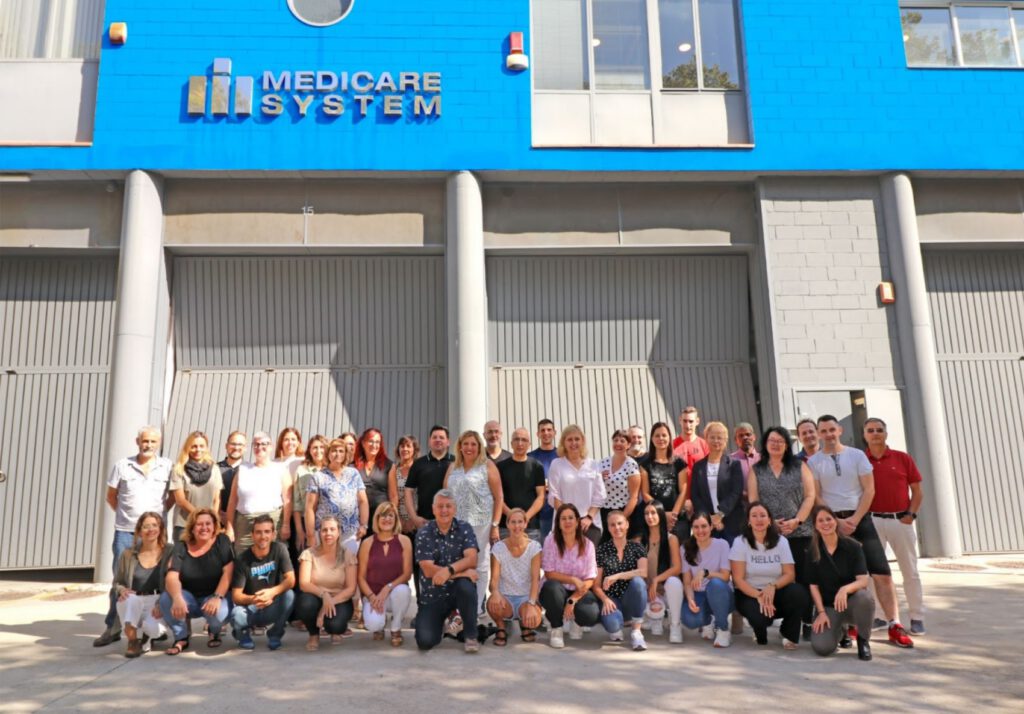
    The Medicare System Team.

    Its founder, Manel Montero, established the company in 1994 after several years of research at international fairs to locate the best medical products and textile solutions for hospitals. From its origins, the company designed and marketed its own healthcare products from its factory in Mataró, such as the early versions of Salvacel and Salvapad, brands that continue to be exported to different countries today. 

    Over these 30 years, we have created, designed, and manufactured approximately 150 products, innovating and providing solutions to enhance the day-to-day operations of healthcare. Many of these products are used daily for the benefit of society.
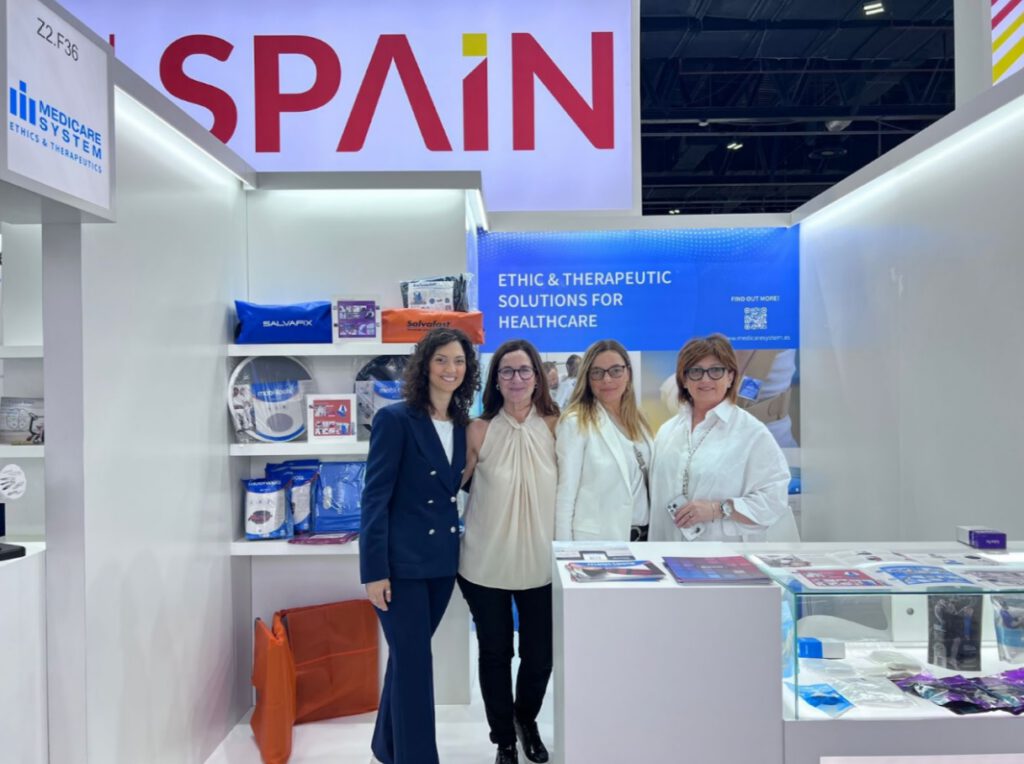
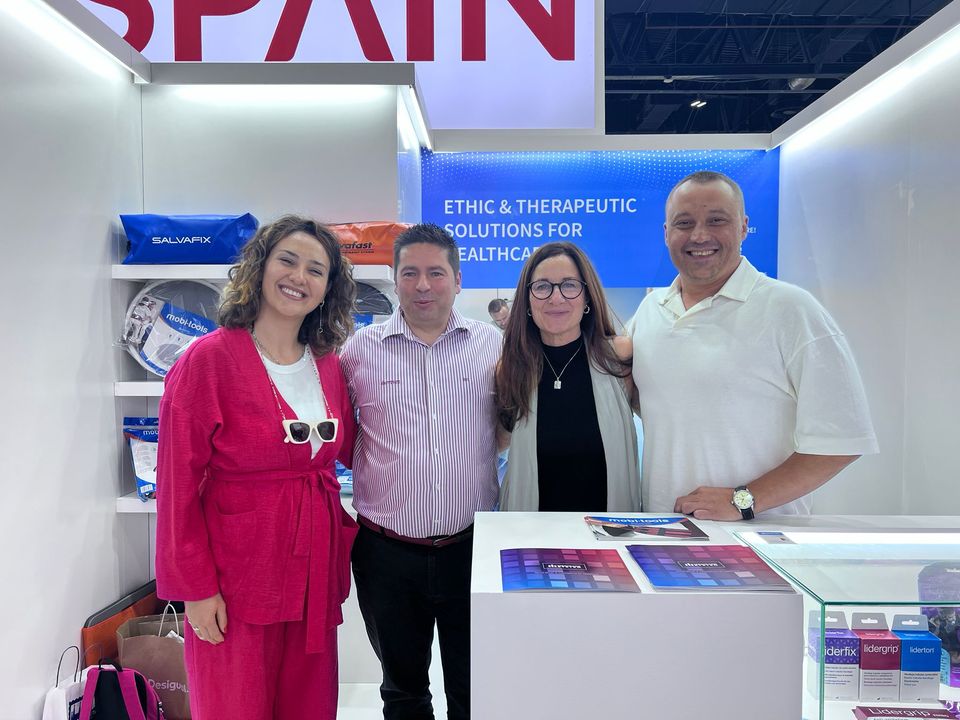
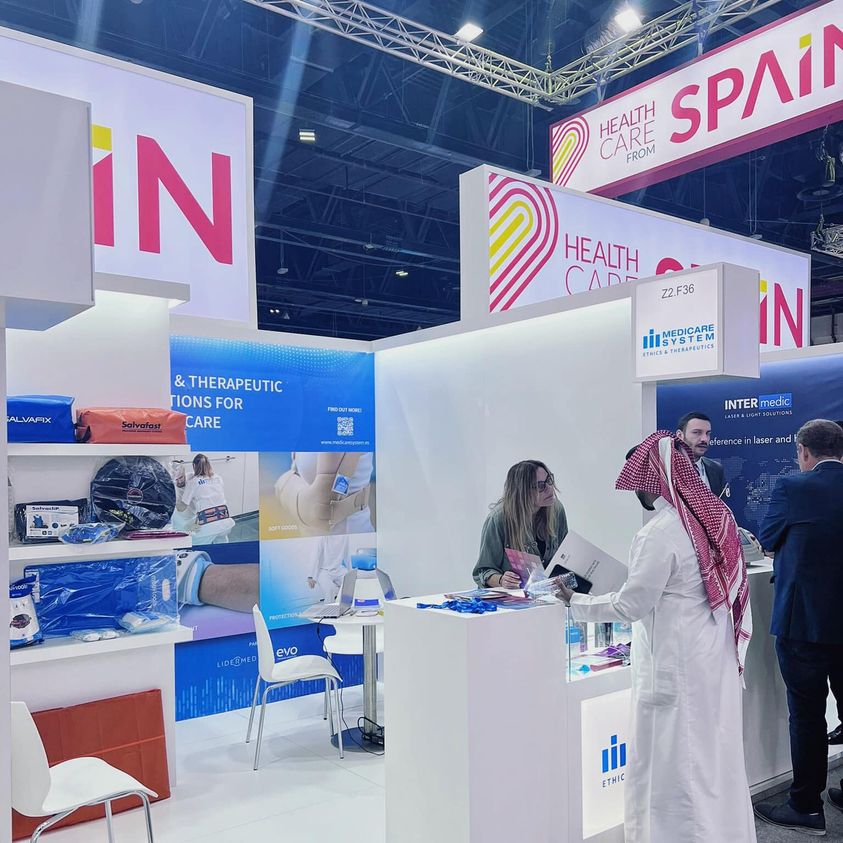
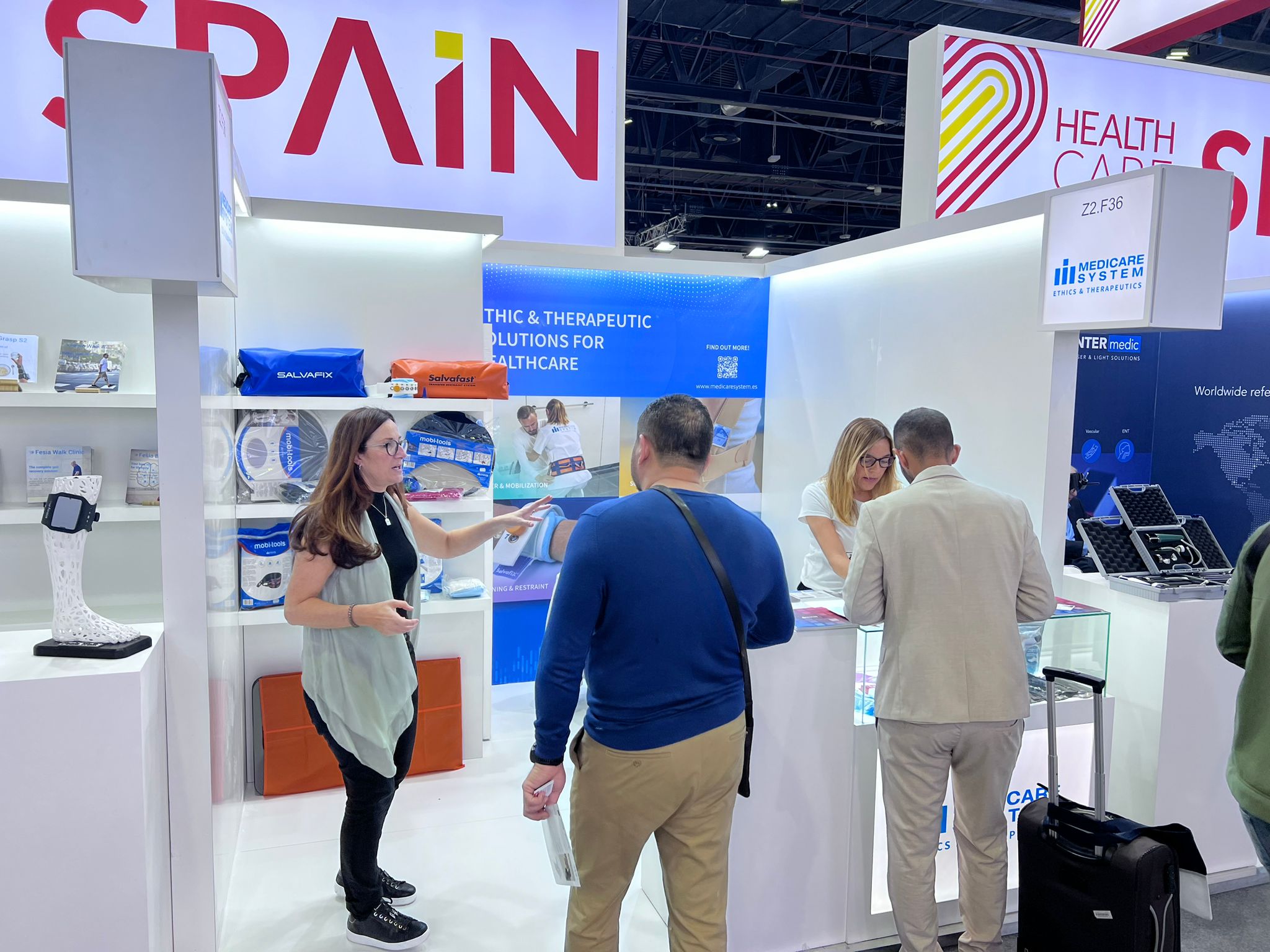
    At the Arab Health fair in Dubai.

    Founder Manel Montero reflects, ‘we will continue forging our path, looking towards the future with optimism and determination, filled with energy and projects, eager to keep growing and advancing as we have done so far, with respect for the environment and people, in this ever-changing and complex world, adapting to the new times ahead.’ He also expresses gratitude to both national and international clients and employees, acknowledging their passion, dedication, and commitment, which have all contributed to the company’s growth.
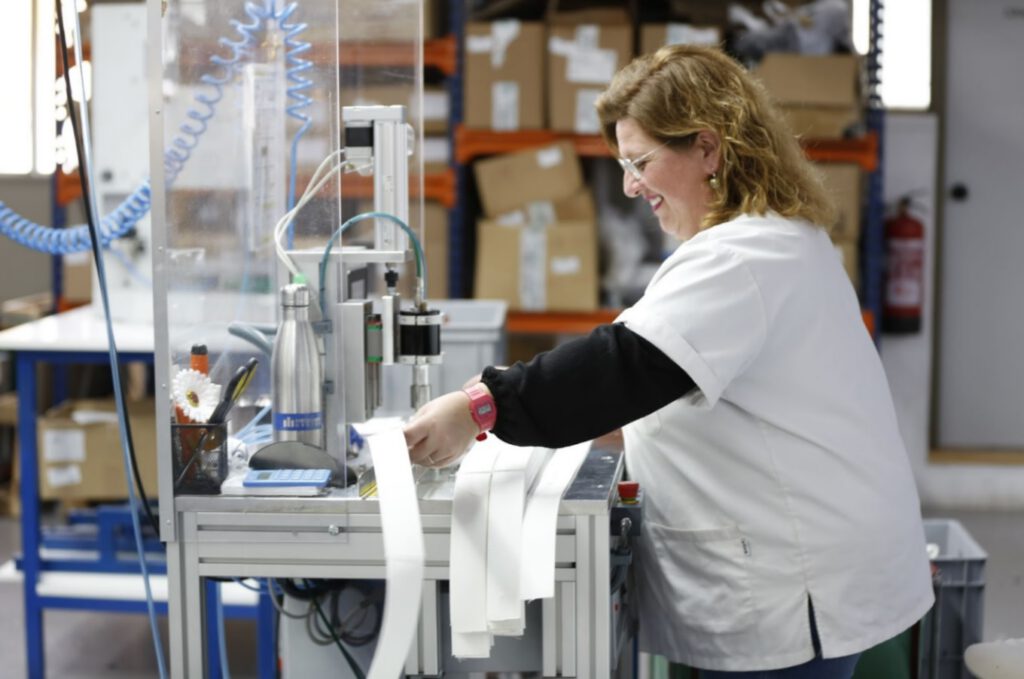
    One of the professionals at Medicare System.

    Salvador Torres, CEO of Medicare System, believes that ‘the most important aspect of these 30 years has not only been about achieving effective solutions for the sector, but also about building a company that, in turn, is a great family. The Medicare Group is now a reality with more than 65 individuals who contribute their best every day so that healthcare professionals can practice their professions with the best solutions and so that society can enjoy better healthcare. We are proud of our team and what they have accomplished, but we also know that the best is yet to come, and we are working day by day to ensure that the future of our society and our entire team is even better.’

    Medicare System‘s 30th anniversary comes at a time of receiving recognitions, such as the recent awards received for one of its solutions, stemming from the observation of needs in mental health, surgery, and emergency care professionals. 

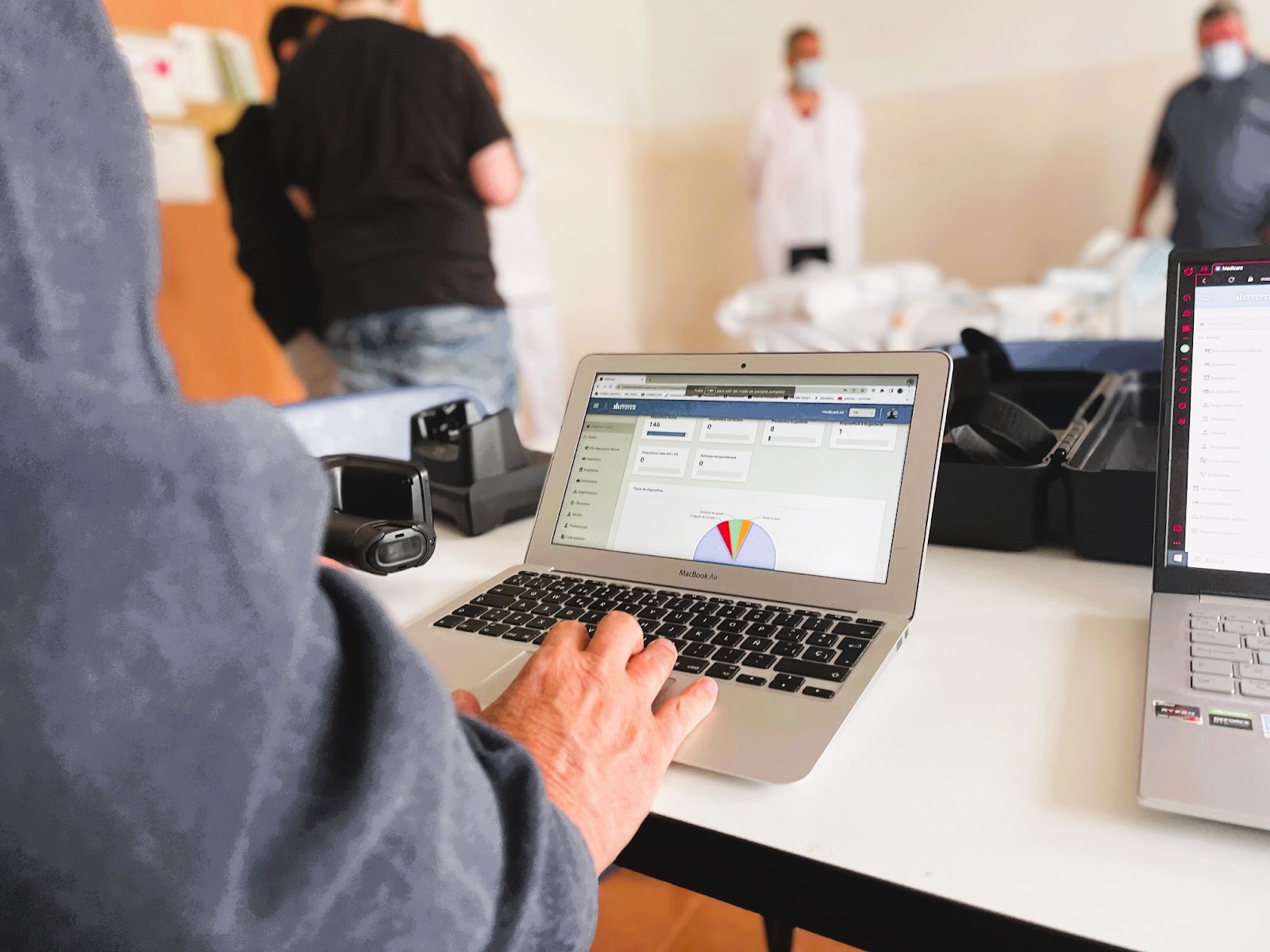
    This is the Salvafix Smart, a pioneering technological system that, thanks to its software, allows for the first time the real-time tracking and monitoring of mechanical restraints, advancing the philosophy of zero mechanical restraint trend.
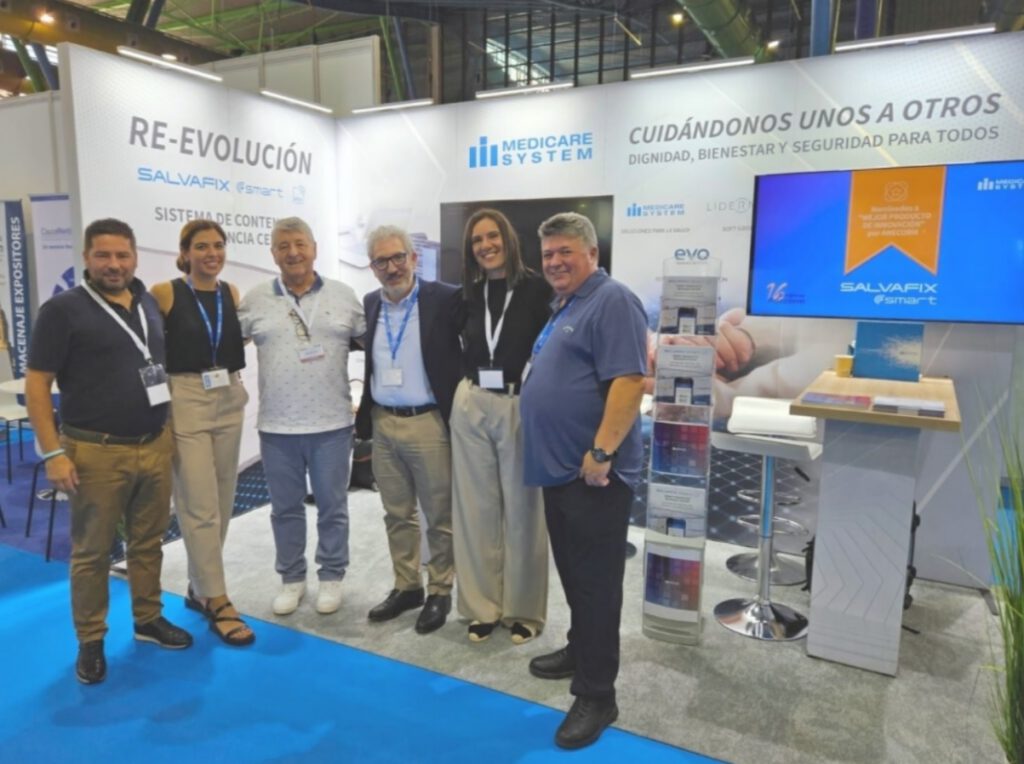
    The Medicare System Team at the 2023 Anecorm Congress.

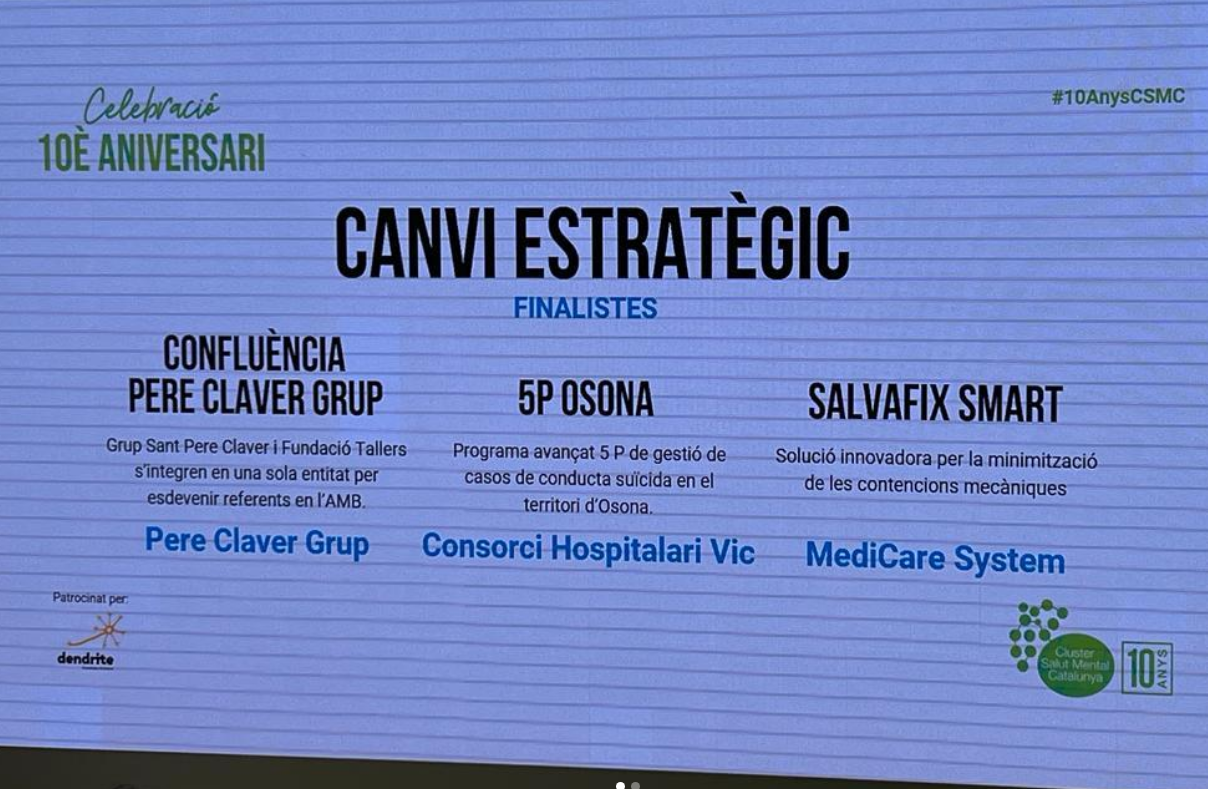
    The solution has already been successfully implemented, among others, at the Hospital de Mataró and at the Institut Pere Mata de Reus (Tarragona). It was a finalist for the Most Relevant Healthcare Technology Product Award of 2023 by the National Association of Nursing Coordinators of Material Resources (Anecorm), as well as in the Strategic Change category of the Mental Health Cluster of Catalonia (CSMC) Awards. It has been recognized as an ‘innovative solution for minimizing mechanical restraint.’

    For more information, please contact us.

  • Salvafix Smart, “ease of use and implementation.”

    Salvafix Smart, “ease of use and implementation.”

    Interview with Guillem Rico, IT specialist at Grup Pere Mata.

    At Medicare System, we continue to collect feedback on the initial implementations of our pioneering Salvafix Smart® system from our clients. This innovative solution allows, for the first time, the tracking of mechanical restraints and the real-time recording and monitoring of their application procedures in hospitals, health centers, and care facilities.

    In this interview, Guillem Rico, an IT specialist at Grup Pere Mata, shares his perspective on the technological implementation of Salvafix Smart. This follows the positive feedback from Amaia Falcon Vallespí, a nurse in the Acute Unit at Hospital Universitari Institut Pere Mata, and Miquel Ragull, Head of Mental Health Nursing at Hospital de Mataró.

    Did you encounter any difficulties in configuring the PDA?

    As soon as we received it, along with the instructions and configuration manual, we set up the VPN, adjusted the trigger click sound settings and the device sensitivity, and it started working immediately.

    How much time have you spent integrating the application into your HIS?

    We were pleasantly surprised by how little time it took. We spent about 40 hours integrating it with our HIS and around 3 to 4 hours setting up the server to present the data in a dashboard format.

    Was it easy to implement Salvafix Smart into your HIS?

    We only had to make a couple of adjustments to the initial project. One was the registration of the restraint procedure and the subsequent notification to the on-call doctor so they could validate the restraint. We also established that when a professional presses the button on the device, whether for restraint or release, an automatic note is added to the clinical record. This improves the data flow between medical and nursing staff, allowing professionals to spend less time on administrative tasks and more time on patient care, which is our main concern.

    Have you encountered any difficulties among nurses, assistants, and doctors in using the reader and the PDA?

    Using the PDA has been straightforward. In our case, the unit initially did not have Wi-Fi, so we opted for a 4G PDA instead of a Wi-Fi PDA. This added a minor challenge to the project, which was establishing a VPN connection—a preliminary step required before using the PDA within our network. Occasionally, a user might get disconnected from the VPN, causing a minor difficulty, but we have a protocol in order to solve this.

    And what about the nursing staff, aides, or doctors using the Salvafix Smart application?

    The app is very intuitive and has not presented any difficulties. The required fields are highlighted in a specific color, making it easy for both nursing and auxiliary staff to identify and fill them in. It’s very quick and intuitive.

    Can you provide an evaluation of this new system?

    We are very pleased with the implementation of this system. It requires very little effort on our part, and both the nursing and medical staff are very satisfied with it.

    For more information, please contact us.
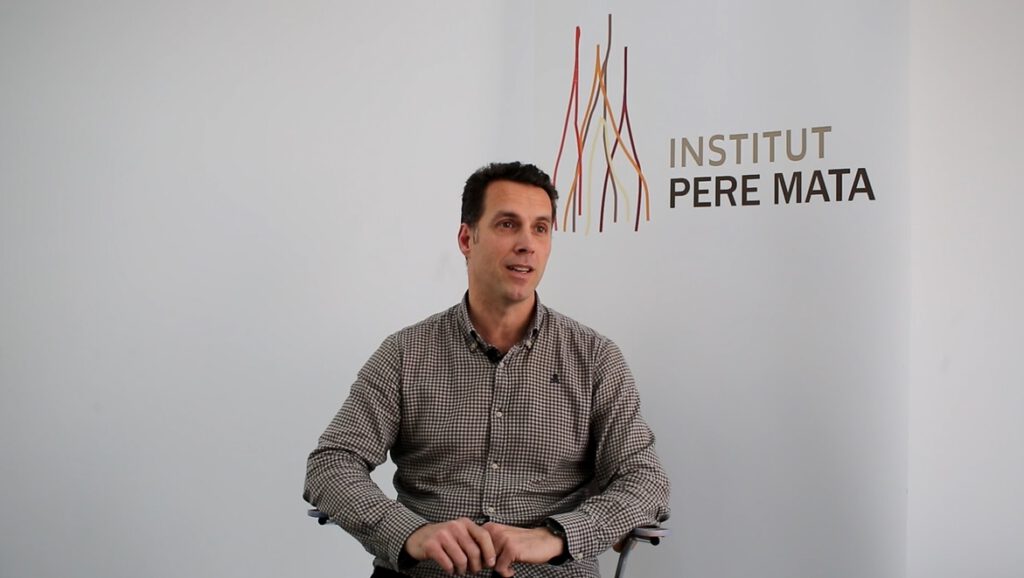
  • Institut Pere Mata: ‘Salvafix Smart allows us to save time, resources, and streamline processes’

    Institut Pere Mata: ‘Salvafix Smart allows us to save time, resources, and streamline processes’

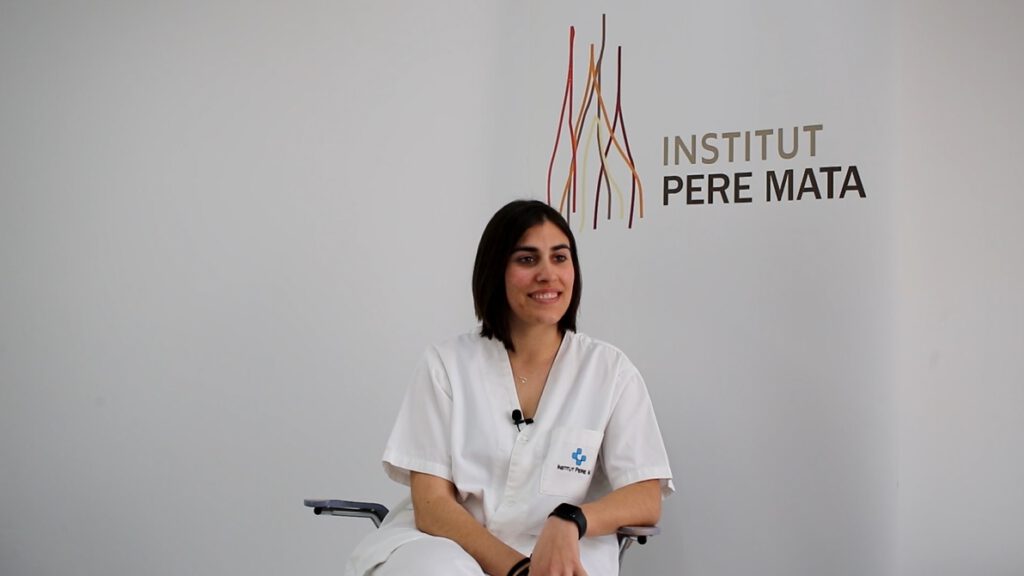
    Interview with Amaia Falcon Vallespí, nurse at the Acute Care Unit of the University Hospital Institut Pere Mata.

    Amaia Falcon Vallespí, a nurse at the Acute Care Unit of the University Hospital Institut Pere Mata, explains the benefits of Salvafix Smart, stating that it enables them to save time, resources, and streamline processes.

    Amaia Falcon Vallespí is a nurse in the Acute Care Unit of the University Hospital Institut Pere Mata (Reus, Tarragona), a center that has conducted a pilot test to assess the performance and contributions of Salvafix Smart, the new technological system developed by Medicare System that allows real-time monitoring of the state of mechanical restraints, their duration, traceability, and immediate updating of a patient’s clinical course.

    Amaia Falcon values ​​this initial contact with Salvafix Smart very positively, explaining her feelings about the product’s application and highlighting three essential advantages for professionals: it allows optimizing time, resources, and streamlining processes.

    Do you think mechanical restraints are useful as a clinical procedure in the face of significant agitation?

    In the case of agitation in any of our patients, when other methods we have previously used have not been effective or resolving, and the safety of this person or others may be at risk, mechanical restraint is a good alternative to promote the patient’s well-being.

    What alternative do you apply if you don’t use restraints?

    Initially, we always try verbal de-escalation, accompanied by environmental containment. We try to separate this person, take them to a place with fewer stimuli, less noise, and fewer people, and we try to talk to them and understand what has led to this episode of agitation.

    And when do you decide to apply restraints?

    When the verbal and environmental resources we have initiated have not been effective. Sometimes we succeed with them, but if after a few minutes the patient becomes agitated again, we try verbally again because we always try to look after their well-being. However, if we see that they might harm themselves or others, that’s when we resort to this resource to reduce stimuli that they otherwise cannot control.

    Was the procedure for applying Salvafix Smart restraint comfortable for the patient?

    Yes, it’s quite comfortable because at the moment we apply a restraint, we can also register it in an automated process, where the information is integrated into the clinical course along with other aspects we need to assess.

    Was the smart reading of equipment with the PDA easy?

    Yes, because the PDA has good remote reading of the patient, and yes, it’s practical, intuitive, and easy.

    And how did the patient react to seeing the PDA?

    They didn’t react any better or worse than we expected. For our patients, it didn’t cause any change in terms of increased agitation.

    Was navigating the software application interface easy for you?

    Yes, the interface is intuitive and allows us to gather all the aspects we need to ensure patient safety. It’s much more efficient and faster than paper, which is what we used before.

    Do you think time is saved in data recording compared to the data recording used before?

    Yes, previously we had to record on paper, and now when we apply a restraint, we can immediately read the chip where it’s registered. Additionally, the device has a dictation section where immediately after an agitation episode, we can verbally explain what happened and how we came to need this type of restraint and resource, with this information being quickly and easily recorded in the clinical course.

    What benefits have you observed since implementing this new Salvafix Smart system?

    Above all, time savings. We can set an alarm to alert us, allowing us to check that the restraints are properly applied, that the patient has good hygiene and safety. We save this step with paper and the time to transfer this information; now we can do it with voice dictation, so the time we save can be dedicated to this or other patients.

    How has the response been from the nursing staff?

    Good, as it’s ultimately something new and helps us save time and streamline our work, it’s a good resource.

    Has efficiency in patient data recording and treatment, and subsequent information analysis, improved?

    Supervisors have told us that this recording was correct, and it’s more visual and easier computationally because when searching for something, it’s much easier to find it since it’s immediately recorded.

    What benefits do you think professionals gain from this system?

    Thanks to this microchip system, we are aware of the restraints we have, those we don’t, and those placed on patients. It also helps us organizationally because if we need to apply a restraint, we can quickly know, for example, how many restraints we have in place at that moment.

    What is the main motivation behind implementing this intelligent system in your hospital?

    To advance and improve things that work but can work better.

    How do you assess the overall impact of this new technological application on reducing errors in clinical restraint procedures?

    There weren’t excessive or notably errors, but personally, I find it very useful in my daily routine.

    Find out more information about Salvafix Smart, contacting us here.

  • Salvafix Smart: The Revolution in Mechanical Restraint Towards Zero Trend

    Salvafix Smart: The Revolution in Mechanical Restraint Towards Zero Trend

    The Salvafix Smart system developed by Medicare System allows for the real-time monitoring, tracking, and verification of the correct application of interventions with patients experiencing psychomotor agitation, with the entire therapeutic procedure recorded. This contributes to the goal of a zero trend in mechanical restraint.

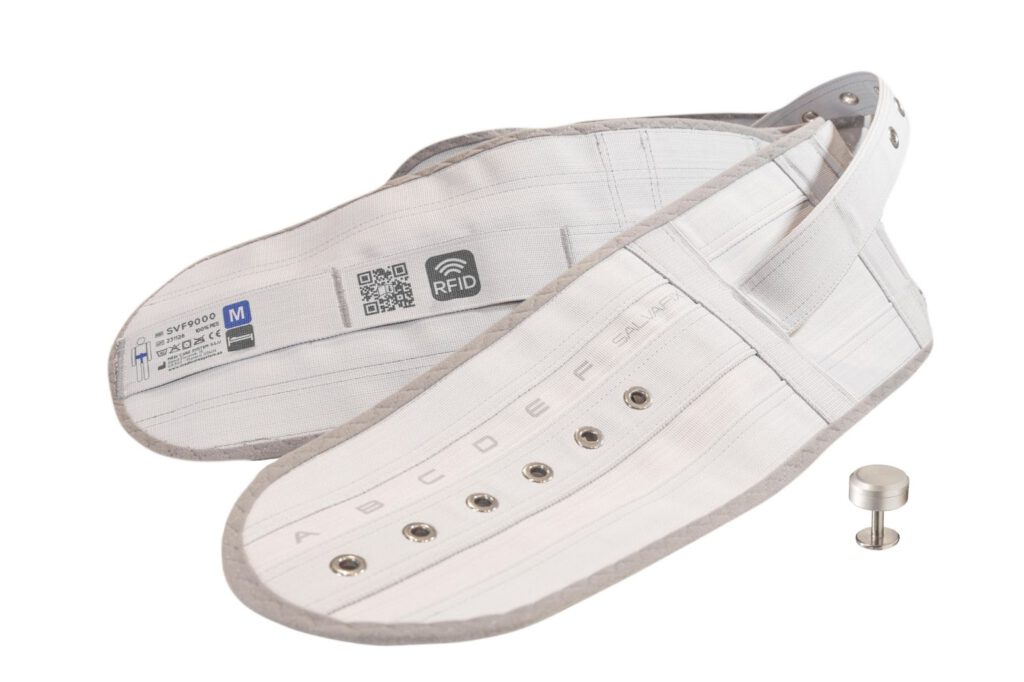
    Salvafix Smart incorporates an RFID system that, when connected to software, enables professionals to view crucial data such as the equipment involved in the therapeutic intervention, start and end times of its application, or the number of patients restrained simultaneously. It also allows for a record of the entire procedure or therapeutic intervention related to the patient in their medical history, offering professionals a significant opportunity to optimize their time, dedication, and patient care, advancing towards better quality healthcare as a society.

    Salvafix Smart is also designed to control, supervise, manage, and record every step of the therapeutic process, constituting a preventive measure against potential malpractice and/or legal claims arising from the use of restraint systems. For hospital institutions and healthcare centers, this innovative system enhances efficiency in resource management and saves time in clinical-administrative tasks. It empowers professionals to record and monitor their processes, thus fostering more individualized and person-centered care, as well as facilitating transparent and clear communication with family membres.

    Lastly, Salvafix Smart allows for safer application of the technique in a proportional, justified manner, and as a last resort measure, with the entire procedure recorded. The combination of these implementations results in greater confidence from families, as hospitals or care centers have more specific and agile information available. Within the parameters of achieving greater and better care, it prevents cross-infections and automates alerts or scheduled notifications by professionals.

    Salvafix Smart boasts a series of technical specifications that demonstrate its contribution to advancing patient care in mental health departments, emergency rooms, and surgeries, as well as the significant qualitative leap it represents for professionals and the organization of hospital and care institutions.

    1.New sensory-relaxing color: discreet, neutral, and hygienic for the patient.

    2. Flame-retardant TREVIRA® material.

    3. RFID system ensuring registration and tracking of the therapeutic process and product traceability.

    4. Sublimation labeling, no woven label: increased hygiene. Sizes from S to 3XL.

    5. Stainless steel-coated eyelets for greater strength and hygiene.

    6. Reinforced edging for increased safety against possible breakage.

    7. MEMORY patented system (belt, wrist, and ankle restraints position recording).

    8. Reinforced interior structure in all areas prone to high stresses, with high tensile strength and ultrasonically sealed eyelets to prevent tearing.

    9. Micro-textured tape with anti-tear lateral weaving.

    10. Security closure system with button featuring permanent antibacterial treatment and stainless steel pivot.

    For more information about Salvafix Smart, contact us here.

  • Medisport: “The respect of environmental standards will take more importance in the assignment of markets”.

    Medisport: “The respect of environmental standards will take more importance in the assignment of markets”.

    Interview with Carole Coulée, commercial manager in Medisport. 

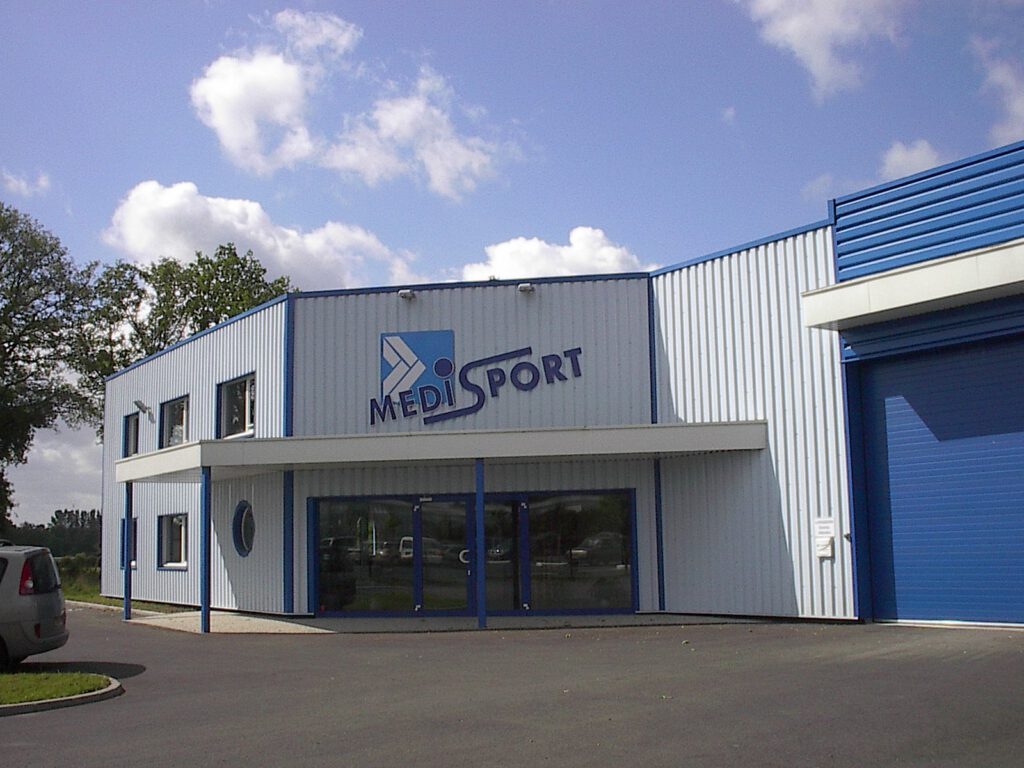
    From France to the world, Medisport has been developing orthopedic medical products for healthcare professionals in hospitals, clinics, and urban settings since 2009. The company’s ongoing objective is to distribute and design innovative and ergonomic products to ensure excellent therapeutic outcomes through perfect adherence to medical treatment. And it’s one of the distributor companies of Medicare System. 

    Tell us about your company and the team that is part of it.

    Medisport is a French SME founded 35 years ago with 17 employees and a turnover of 7M euros. We distribute medical devices to hospitals and clinics as well as to orthopedic stores and pharmacies.

    What is your opinion of the market in your country? What facilities and/or difficulties do you find?

    The French market is dense and therefore attractive, but completely massified; competition is very present; there are almost no small companies left. Our real added value is the reactivity, the proximity, the possibility of storing for several months. Our weak point is the loss of margin in a context where the increase in volumes does not benefit us because we do not produce.

    What were the reasons for choosing Medicare System and its products for your distribution?

    Medicare System is a human-sized company with quality products and able to adapt quickly to the customers’ demands.

    Since you have been working with our products, what do you like the most and what suggestions or advice would you give to other professionals?

    The possibility to modify the products in order to adapt them to the different demands of the national markets is a real added value.

    What would be your considerations regarding the future prospects of the industry and the new trends coming?

    The future is turning towards ecological issues; the choice of raw materials, the respect of environmental standards as well as recycling will take more and more importance in the assignment of markets.

  • Miquel Ragull: “Salvafix Smart improves the quality and traceability of mechanical restraint”.

    Miquel Ragull: “Salvafix Smart improves the quality and traceability of mechanical restraint”.

    Interview with Miquel Ragull, Head of Mental Health Nursing at Mataró Hospital.

    Mataró Hospital has been the first center to pilot the Salvafix Smart system from Medicare System and has contributed to its development. Now, two more Catalan hospitals are conducting pilot tests with this pioneering system that allows for accurate monitoring of mechanical restraints with the long-term goal of achieving zero trend to minimize them to the maximum extent.

    We talk to Miquel Ragull, Head of Mental Health Nursing at Mataró Hospital, to learn about his impressions of Salvafix Smart and the results of these tests.

    Do you believe restraints are useful as a clinical procedure in the face of significant agitation?

    They are essential when preventive actions have failed to contain the agitation. They are the last resort that the nursing team has, so that the patient does not harm themselves or others.

    What benefits have you observed since the implementation of this new Salvafix Smart system?

    Salvafix Smart proposes a new paradigm that improves the quality, traceability, and visibility of mechanical restraint. I have been working in Mental Health for 23 years, and during this time, the materials, magnets, and pivots of restraints have changed, but structurally they have not evolved much until now. Salvafix Smart automates data collection, which integrates and visualizes the platforms used by hospitals (if the professional applying the restraint has received training, the number of people involved, and if there have been adverse events…). This allows, on the one hand, to record traceability and have an updated and reliable inventory of restraints, and on the other hand, synchronization between computer devices and the use being made of the restraint, thus eliminating paper notes and parallel records. Additionally, it allows tracking the device itself, from stock, use, and current location.

    How has the response been from the nursing staff?

    It is a tool that reduces the workload associated with restraint records. In addition, the checklist we have incorporated into the application (software) helps remember the key elements for proper mechanical restraint.

    Do you think Salvafix Smart could become a standardized system in the world of mechanical restraints?

    Advancing in healthcare quality involves having accurate information about restraints and visualizing it as if it were a control panel that offers a “snapshot” of ongoing restraints at the center at any given moment. This makes it a decision support tool for management, similar to sepsis, COVID, or dysphagia risk indicators.

    What is the main motivation behind the implementation of this intelligent system at your hospital?

    The main motivation is to do it better and more safely, that is, to improve safety and healthcare quality. This also includes improving the experience of professionals and patients regarding mechanical restraint because it allows having detailed and reliable information about its application in a legal document such as a clinical course, and this fact greatly facilitates communication with the patient and their families.

    How has the staff adapted to this new procedure?

    Without problems, quickly and easily. There has been a lot of interest and curiosity because we thought that a tool like restraints could not improve in this way, with a new vision that allows doing things differently and achieving results that seemed impossible.

  • Amebil: “There is a growing demand for medical devices”

    Amebil: “There is a growing demand for medical devices”

    Interview with Iñaki Gómez, sales representative of Amebil S.L.

    Amebil has been specializing in hospital products since 1982. It is a leading company in the distribution of medical-surgical materials sector. They are our distributor for the Basque Country and are located in Basauri, Biscay.

    Tell us about your company and the team that is part of it.

    Amebil. S.L is a company specialized in the distribution and sale of a wide variety of hospital medical devices manufactured by important national and international firms. We have over 40 years of experience and reputation in the sector, providing service to hospitals, clinics, orthopedic centers, and individual clients…

    What is your opinion of the sector in your area of operation? What facilities and/or difficulties do you encounter?

    The healthcare sector is a highly competitive market, in which our company has managed to stand out thanks to the trust and support of the renowned brands we represent. However, one of the challenges we face is the competition from companies offering imported products of low quality and price. On the other hand, the opportunities we see are the growing demand for medical devices due to the aging population and the necessary increase in health investment.

    What were the motivations for choosing Medicare System and its products for your distribution?

    The quality of Medicare System products and its commitment to innovation and technological updates are some of the aspects that caught our attention the most. In addition, the excellent treatment and support we receive from the professional team have allowed us to provide better service to our customers. We consider Medicare System to be a leading brand for its quality, innovation, and customer service.

    Since you have been working with our products, what do you like the most and what suggestions or advice would you provide to other professionals?

    It is vital that those who market and use these ranges of medical products have a deep understanding of how to use them properly. We agree with Medicare System on how they have focused on training, using tools such as social networks and the internet, but without neglecting the importance of human contact when presenting their products and resolving doubts or incidents.

    What would be your considerations regarding the future prospects of the sector and new trends?

    The future of the hospital medical device market is marked by innovation, competition, and new regulations. We have the obligation to offer products that meet the highest standards of quality and safety, to always be at the forefront of the market and offer better service to our customers. Only the customer’s confidence in knowing that they have at their disposal the best and safest range of products available will allow us to maintain our trajectory in an increasingly open and massified market.

  • Medicare System at Health Care 2024 in Dubai

    Medicare System at Health Care 2024 in Dubai

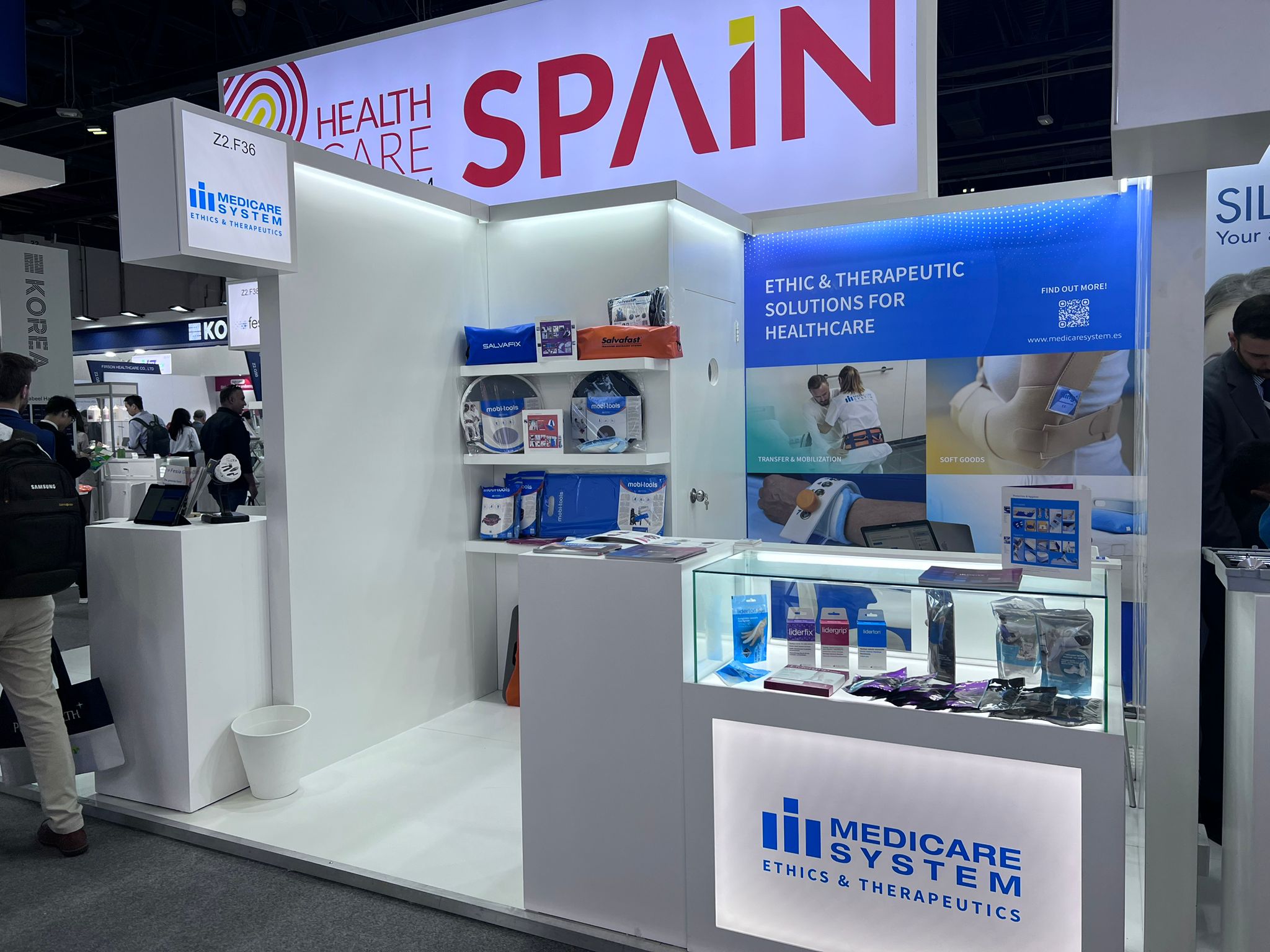
    Dubai, February 2, 2024.- On January 29, we attended Arab Health 2024, one of the largest fairs dedicated to healthcare, hospital, and assistive innovation in the world. With over 3,300 exhibitors from 76 different countries, from our Medicare System stand, we spent four days sharing insights with our visitors, who were particularly interested in our range of soft goods products such as slings and immobilization devices, transfers such as our Mobitools range, restraints – Salvacel, Salvaclip, and Salvafix – Lidermed products, hospital and sports tubular products, and also our new Lidergrip EMBO equipment.

    From Medicare System, we are highly satisfied with our first-time attendance at Arab Health, highlighting the interest that visitors from Pakistan, India, Greece, the United States, Syria, Jordan, Kuwait, Qatar, and Saudi Arabia have shown in our solutions. We congratulate the organization on the tremendous success of this mega event.

    About Medicare System

    At Medicare System, we have been designing, manufacturing, and marketing textile-based products for the healthcare sector for 30 years. We have our own R&D department that enables us to develop our own line of mechanical restraint products, which has evolved to become a global benchmark.

    If you would like to receive more information, you can contact us here.

  • How Salvafix Smart care for healthcare professionals

    How Salvafix Smart care for healthcare professionals

    The pioneering technological innovation system developed by Medicare System reduces the use and application time of mechanical restraints, helps healthcare professionals to track them and, therefore, contributes to care them legally and optimizes their work.

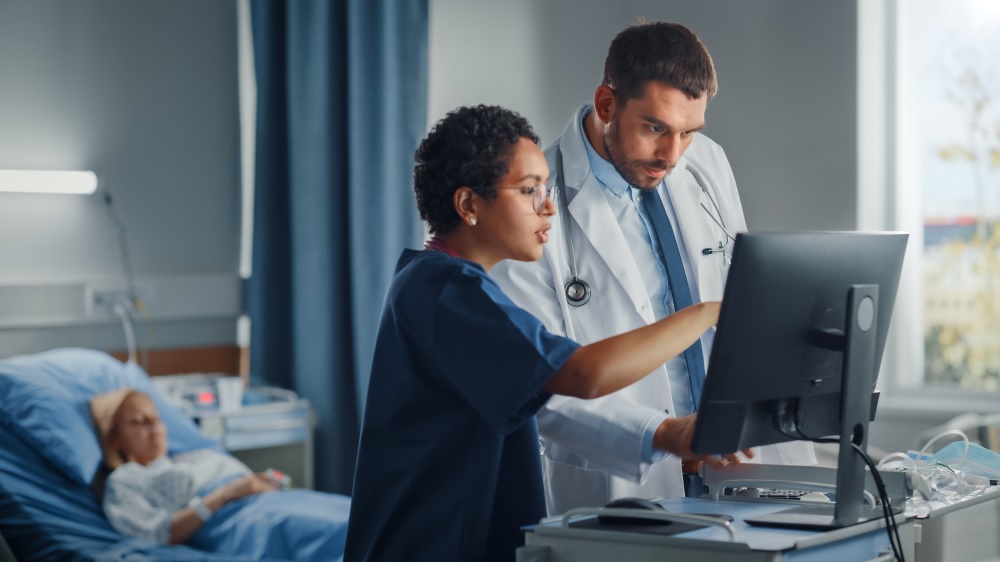
    Hospital Ward: Caucasian Doctor Talks With Professional Black Head Nurse, They Use High-Tech Computer. In Background Patient in Bed Recovering after Successful Surgery. Health Care Specialists

    The use of physical and pharmacological restraints has been the subject of debate for a long time, but especially in recent years the controversy has increased, with the emergence of movements advocating the reduction and even total elimination of restraints, both in the psychiatric and geriatric setting.

    Although this desire is shared by the majority of patients’ relatives or residents and also by an increasing number of healthcare professionals -as well as by the Medicare System we work in tune with the zero trend in mechanical restraint-, reality shows us difficulties in finding realistic alternatives to restraints or in implementing work methodologies that manage to reduce their use, as explained in previous articles.

    After years of research and in accordance with this social need, we have developed Salvafix Smart, a pioneering technological system that aims to reduce the use of restraints, applying them in a rational and controlled manner, thus helping to protect the dignity and safety of patients and professionals, and which has already been recognized by the health sector, as a finalist in the Anecorm Awards and in the Mental Health Cluster of Catalonia Awards.

    Salvafix Smart legally protects institutions and their professionals, creating an external, secure and inviolable record of the use of restraints for each inpatient. In this sense, it facilitates the work of healthcare staff, enabling to define a specific restraint plan for each patient and that this can be executed safely and easily by the healthcare staff, using the management and prediction tools provided by this device.

    Salvafix Smart has been developed especially for the healthcare sector, both for public and private institutions that use mechanical restraint systems, such as general and specialized hospitals, mental health centers, prison health services, health transport services, behavioral disorder centers, geriatric residences and day care centers. All these institutions use, to a more or lesser extent, restraint systems as part of their treatment of people with psychomotor agitation.

    What is Salvafix Smart?

    Salvafix Smart is a pioneering system for the application of restraints on patients by healthcare personnel, which includes means of identification and monitoring that allow professionals to record and transfer data in mechanical restraint procedures in an efficient, reliable, and beneficial way for professionals and institutions, as well as for patients and their families.

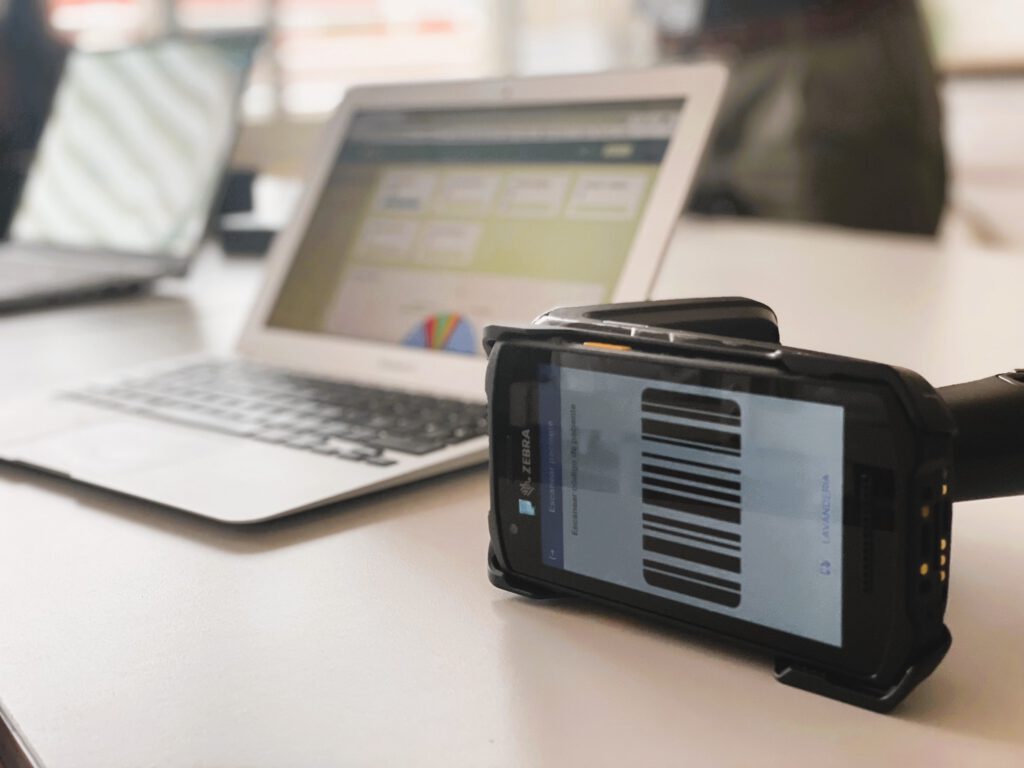
    The Salvafix Smart of Medicare System.

    Some of the advantages of Salvafix Smart are:

    – It reduces and rationalizes the use of mechanical restraints. It allows to verify in real time if the technique is being applied correctly and provides information during the application.

    – It helps healthcare professionals to apply their treatment in accordance with current legislation and established protocols.

    – Facilitates a real and reliable record of the treatment and allows to visualize and control in a simple and clear way the containment time.

    – Facilitates the work of healthcare professionals by providing them with tools that help them to apply their treatment more safely, applying medical and ethical criteria.

    – Improves the safety of restraint devices.

    – Allows transparency in the communication between the professionals, Health centers , patients and their families.

    – Eliminates malpractice in the use of restraints.

    – Reduces the risk of lawsuits due to improper use of restraints.

    – Avoids loss of materials due to washing or relocation of materials within the hospital.

    How does Salvafix Smart work?

    If a healthcare professional is faced with a serious problem that requires a restraint measure to be applied to a patient, he/she would proceed as follows:

    1. First, the healthcare professional places the restraint on the patient.
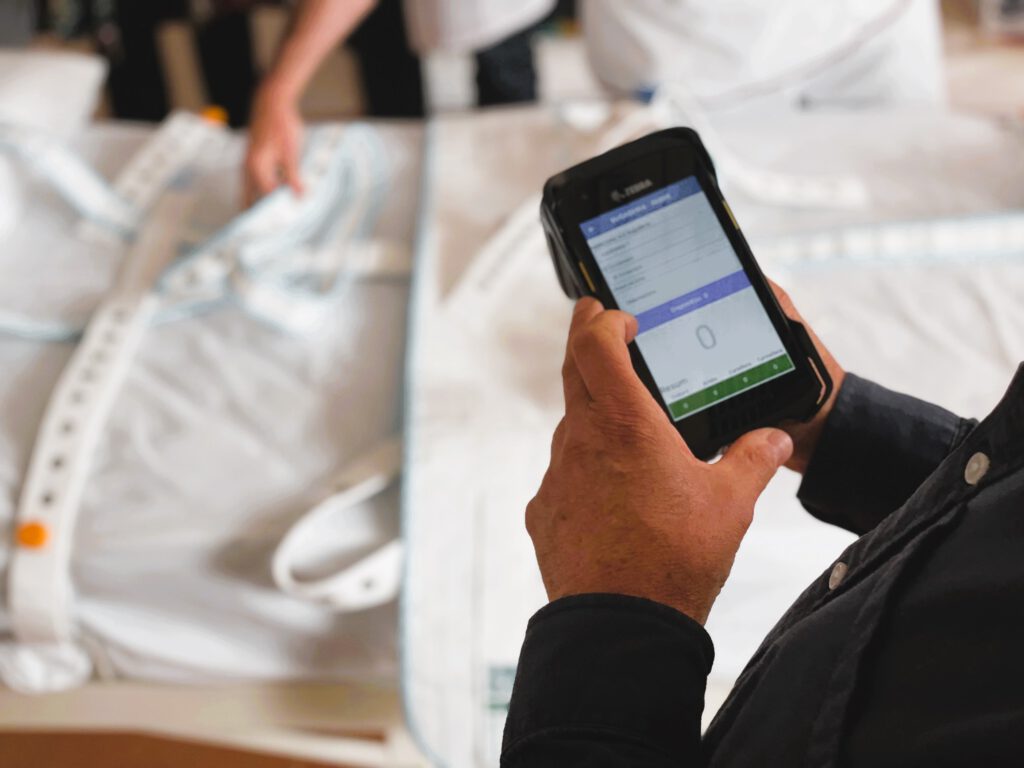
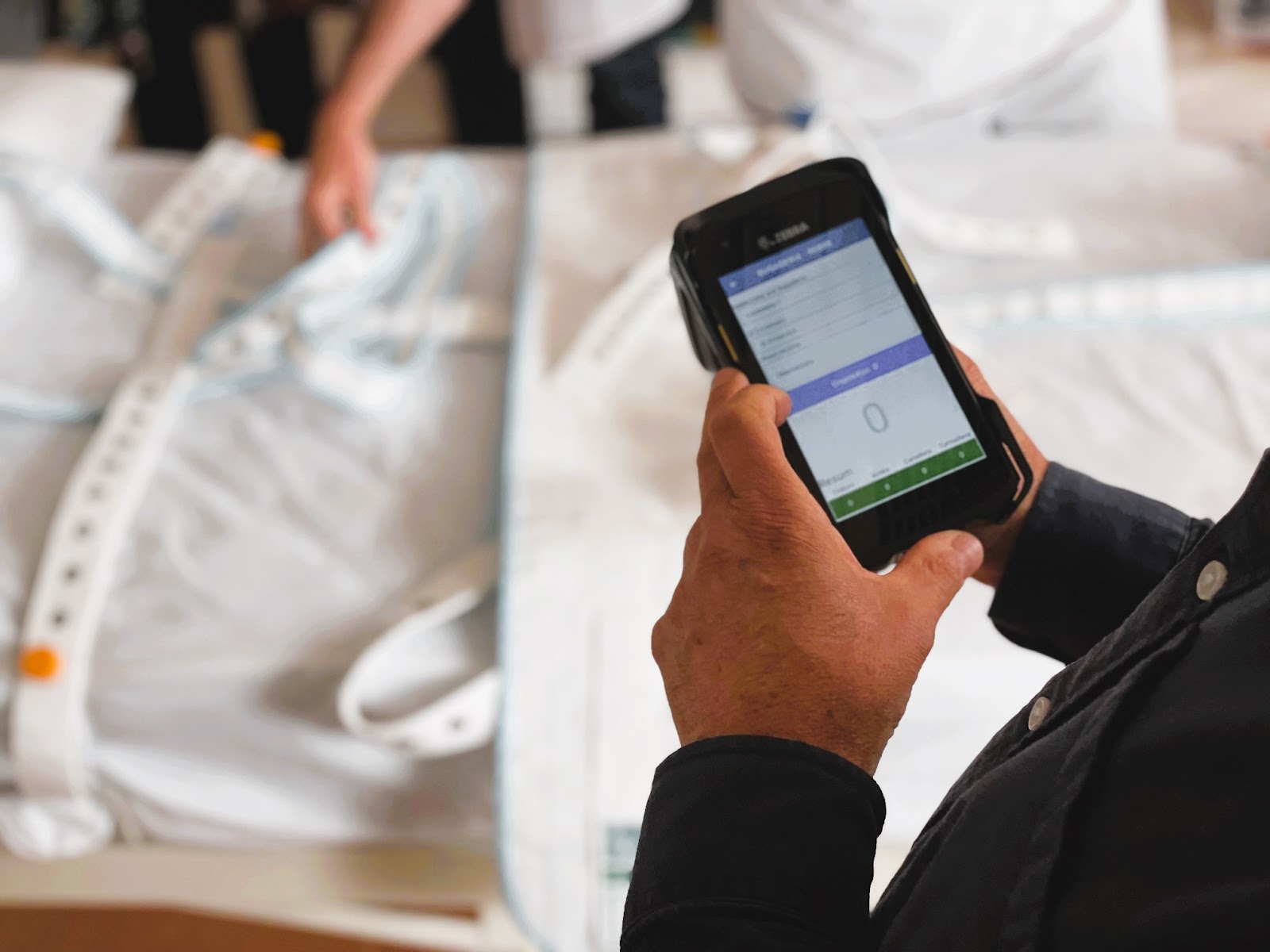
    2. Then, using the Salvafix Smart’s patient data reader and transmitter, it will read the identifier and transmits it to the central processor that manages the data. Healthcare staff will record the means the identification of restraint applied to the patient.
    3. Next, the healthcare staff, by using the reader device, will record the means of identification of all the means of restraint that have been applied to the patient.
    4. Finally, it will send the data to the central processor that manages them, thus associating the patient’s identifier with the means of restraint that have been applied, the duration and the healthcare staff who have read them, among other specific data.

    The Salvafix Smart of Medicare System.

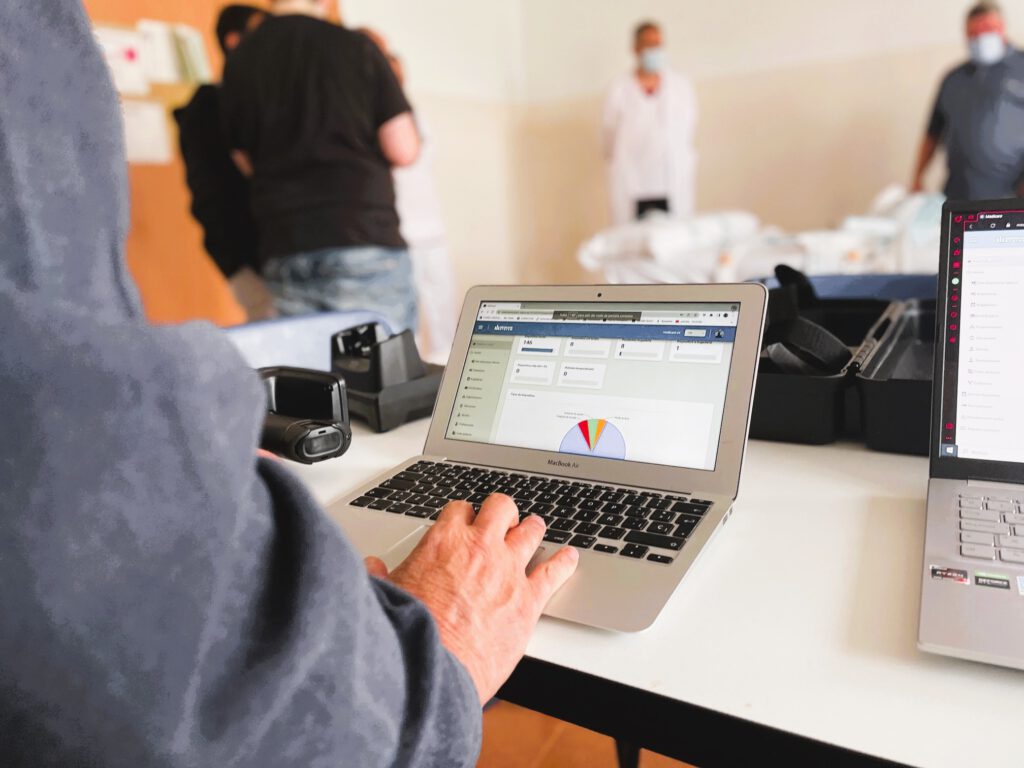
    In this way, it is possible to monitor the period that the patient has been under restraint and to warn when the end of the predetermined restraint time is approaching. The central processor, by managing the information, allows it to be displayed on a control panel of the medical staff, such as the nursing control. In this way, the medical staff can monitor the patient remotely, thus facilitating quick reactions of the medical staff to warnings notice.

    The Salvafix Smart of Medicare System.

    In addition, and optionally, the Salvafix Smart restraint may comprise an antibacterial and anti-fungicidal coating, to prevent cross-infection. Moreover, since the restraint system has identification means, it is possible to follow its traceability and know whether the restraints have been cleaned or not yet, as well as how long it has been in use, or which healthcare personnel have used it, among other possibilities.

    About Medicare System

    Medicare System has been designing, manufacturing and commercializing textile-based products for the healthcare sector for 30 years. We have our own R&D department that allows us to develop our own line of mechanical restraint products, which has evolved to become a worldwide reference.

    The products of the Salvafix range, which Medicare System has been commercializing for more than 22 years, have the support of many mental health specialists who consider it the best restraint system on the market, due to its high level of safety, quality of materials, after-sales service and the continuous training received by professionals.

    If you would like to receive more information, please contact us here.

  • Salvafix Smart, the system that guarantees safer mechanical restraints for patients

    Salvafix Smart, the system that guarantees safer mechanical restraints for patients

    This new system allows knowing all the details of the application of mechanical restraint such as its duration, its beginning and end, and the professional who has applied it, among many other parameters, generating more trust between the patient’s family and the hospital.

    Mechanical restraint is a procedure that usually creates insecurity or rejection among relatives of the patients to whom it is applied. We already discussed in a previous article the different options that are being worked on in other countries – such as the application of sedatives, known as chemical containment – that do not end up generating satisfactory results for all parties. What is clear is that all efforts are directed towards the zero tendency in mechanical restraint.

    About mechanical restraint

    Mechanical restraint is a safe means of controlling a person’s behavior in a highly agitated situation without the use of physical force. They are also used both to prevent harm to the person being restrained and to others. This aspect of safety must coexist with dignified care, those that respect the dignity, autonomy and privacy of the patient, providing fair and compassionate treatment that takes into account their individual needs and preferences.

    The family environment frequently shows doubts about mechanical restraint and usually asks those responsible for medical care about its cause, application, and whether it is the most appropriate treatment for the patient, which opens a gap of suspicion. At Medicare System we asked ourselves how we could help both parties, addressing their respective needs, always tending towards minimizing the application of mechanical restraint, and the result of years of research is our pioneering Salvafix Smart system.

    About Salvafix Smart

    The main contributions of Salvafix Smart focus on the fact that it allows to know the duration of mechanical restraint, its start and end time, as well as the professional who applied it, among many other possibilities. It also allows professionals to quickly consult aspects such as patient history and medication, saving time and resources.

    These are the main contributions of Salvafix Smart for the patient:

    • It offers higher quality care through the use of the best practices, treatments and products. In this way, both the medical center and the family members verify that the patient is treated efficiently.
    • It allows for more individualized and person-centered care.
    • It guarantees safety in the application of the technique in a proportional and justified manner, and is also recorded.
    • Eliminates malpractice in the use of restraints.
    • It is made with antibacterial material to avoid infections.
    • It allows greater clarity in communication and the sharing of information between professionals, the hospital and family members.
    • Facilitates treatment registration.
    • It helps everyone better visualize and control restraint time. In this way, both the family, the professional and society see the fair treatment given to the patient.
    • It allows patients and their families to be more satisfied with the care they receive if caregivers are properly trained and have the skills necessary to provide appropriate care.
    • Being proportional and fair offers more trust in the hospital, with the family and with the professional.

    Pilot tests and awards for Salvafix Smart

    We are currently carrying out several pilot tests of Salvafix Smart in several Catalan hospitals with very satisfactory results.

    Due to its pioneering nature, the Salvafix Smart has also achieved different public recognitions this year 2023, such as being a finalist in the Anecorm Awards in the category of ‘Technological Innovation’, and also a finalist in the Mental Health Cluster Awards of Catalonia in the ‘Strategic Change’ category.

    For further information about this product and its possibilities, contact us.

  • Salvafix Smart from Medicare System, finalist in the Mental Health Cluster of Catalonia Awards

    Salvafix Smart from Medicare System, finalist in the Mental Health Cluster of Catalonia Awards

    Barcelona, ​​November 30, 2023. The Salvafix Smart system from Medicare System has been a finalist in the ‘Strategic Change’ category of the Mental Health Cluster of Catalonia (CSMC) Awards, recognizing it as an “innovative solution for minimizing restraint mechanics”.

    On November 30, the entity celebrated its tenth anniversary with a special event to commemorate its trajectory and recognize good practices in the sector, with a gala that included the first edition of the CSMC Awards, “a recognition of the most collaborative projects highlights that companies, entities and agents linked to the Cluster have launched,” the entity indicated in a statement.

    Image of the event, by the Mental Health Cluster of Catalonia.

    Medicare System has been a finalist in the Strategic Change category for its new and revolutionary Salvafix Smart system, the reference device towards the zero trend in mechanical restraint, and which responds to the absence of standardized and reliable mechanisms for registration, traceability and obtaining information on mechanical restraint in medical and care centers.

    The Salvafix Smart allows to digitize mechanical restraints, know their duration, start and end time; Professionals can consult in real time the number of restraints that their center is applying and, therefore, they can better and more efficiently organize their resources, time and improve decision making, among many other possibilities.

    Medicare System, participant in the CSMC Awards

    In addition to this recognition by the Mental Health Cluster of Catalonia for the innovation of the Medicare System, our team was also an active part of the evening, participating in the presentation of the entity’s awards, which brings together more than 95 members of a growing sector.

    We would like to take this opportunity to thank the Mental Health Cluster of Catalonia for the opportunity to allow us to be part of this milestone and to congratulate all the participants.

  • Salvafix Smart, the device on the path towards the ‘zero trend’ in mechanical restraint

    Salvafix Smart, the device on the path towards the ‘zero trend’ in mechanical restraint

    Far from the use of sedatives or unsafe methods for patients, the system created by the Medicare System will allow professionals to apply this technique only as a last resort, the minimum necessary and only the time strictly necessary for therapeutic treatment.

    Mechanical restraint is a controversial clinical-therapeutic procedure among public opinion, but mental health professionals need effective solutions and greater guarantees that guarantee the safety of patients and their own, always in the context of zero tendency in mechanical restraint in which we have been moving for years.

    The sector is demanding improvements and an example of this was the multidisciplinary working group that the Department of Health of the Generalitat of Catalonia created in 2016, and which called Zero Restraint, with the aim of guaranteeing the highest quality of health services through the development of safe care practices that move towards zero mechanical restraint.

    The Generalitat demanded “the development of a mandatory and common protocol for all health centers in Catalonia – public, private and subsidized – in which the justification, standards, approved materials, procedure and subsequent evaluation that are required are regulated and established it must be followed in cases of mechanical restraint or immobilization of patients.”

    The Salvafix Smart, by Medicare System.

    In Medicare System we have been dedicated to thinking and providing solutions in the field of mental health for many years. With our eyes always focused on the zero trend in mechanical restraint, we began to investigate solutions that would pave the way for the zero trend, but without putting the integrity of patients and professionals at risk.

    One of the most used techniques currently is zero restraint supported by sedatives -the so-called chemical containment– such as the use of drugs that are not exempt from important side effects, such as the possibility of generating dependency among patients.

    Absence of standardized and reliable registration, traceability and information mechanisms

    The most recommended system when faced with an agitated patient is to apply verbal de-escalation, as highlighted by our collaborators at the EVO Training Institute, and only in cases in which mechanical restraint is the last resort to guarantee the safety of the patient and the professionals, it is Therefore, it is advisable to do it with the maximum guarantees and only for the essential time.

    In the health system there is a lack of standardized and reliable mechanisms for registration, traceability and obtaining information in medical and care centers. If they were available, the mechanical restraints would be digitalized and their duration, start and end time could be known; Professionals could consult in real time the number of restraints that their center is applying and, therefore, they could better and more efficiently organize resources, time and decision making, among many other possibilities. Also – and this factor is key – mechanical restraints would be applied for the minimum essential times.

    Therefore, if technology already allows us to know in real time the status of many of our medical and administrative records, and has revolutionized medicine in recent years, as well as many of our daily tasks as ordinary citizens, why Doesn’t it reach the field of mental health in a more effective way?

    The Salvafix Smart from Medicare System allows a reliable and detailed record of mechanical restraints in medical and care centers.

    Years of study in search of a solution

    Our professionals have dedicated years of study to finding the solution to this problem and the result is the creation of a pioneering device that allows us to know all the details of mechanical restraint, with the aim of helping professionals to apply it in the minimum amount of time this technique, fitting with the social demand to move towards zero trend. The Salvafix Smart is obtaining very satisfactory responses in the pilot tests that we are currently carrying out in three Catalan hospitals, and whose detailed final results we hope to make publicly known at the beginning of 2024.

    The Medicare System’s Salvafix Smart.

    We believe that research, innovation and public-private collaboration allow us all to add talent and experience to come up with the solutions that society demands of us at all times and adapt more easily to new times, improving the lives of our patients and their families. family members, the work and time of all professionals, and make better use of public resources, to continue being pioneers and so that our healthcare model continues to be an example and international reference.