• Patienttransfer boards: Choosing the right solution for every care setting

    Patienttransfer boards: Choosing the right solution for every care setting

    Transferring a patient from a bed to a wheelchair, moving them between stretchers, or performing a lateral transfer in an emergency department are everyday tasks across hospitals, long-term care facilities, rehabilitation centres, and home care environments. Although these procedures are all considered patient transfers, each scenario presents different clinical and practical requirements.

    Selecting the right transfer board depends on several factors, including the distance between transfer surfaces, the patient’s functional abilities, their level of participation, the care environment, and the number of healthcare professionals available to perform the transfer.

    There is no single transfer board suitable for every application. Choosing a solution designed for the specific transfer helps improve patient safety and comfort, increases stability between surfaces, supports more controlled movement, and reduces the physical demands placed on caregivers.

    The MOBITOOLS Glide® range offers a comprehensive selection of transfer boards for both seated and horizontal patient transfers, with dedicated models for hospitals, nursing homes, home care, bariatric patients, ambulance services, and emergency care.

    What is a patient transfer board?

    A patient transfer board is a transfer aid designed to bridge the gap between two surfaces, enabling safer and more controlled transfers for people with reduced mobility.

    Depending on its design and dimensions, a transfer board can be used for seated transfers between a bed and a wheelchair, between a chair and a vehicle, or for lateral transfers between horizontal surfaces such as beds, stretchers, examination tables, and diagnostic imaging equipment.

    A transfer board does more than simply connect two surfaces. When correctly selected, it provides a stable support surface that promotes smooth, controlled movement while accommodating the patient’s mobility level and functional abilities.

    Medicare System develops patient transfer and handling solutions that help healthcare professionals perform safer, more ergonomic, and more efficient transfers while improving patient comfort and reducing the risk of work-related injuries.
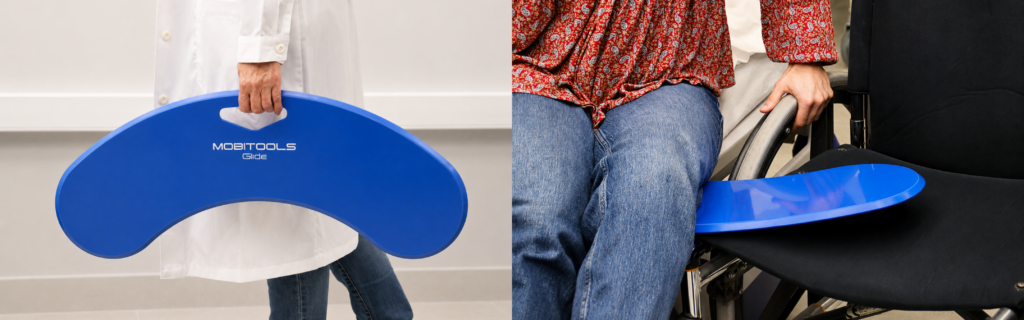
    Ergonomically curved ("banana-shaped") patient transfer board designed to facilitate safe patient transfers between beds, chairs, wheelchairs, and other support surfaces.

    Seated transfer boards

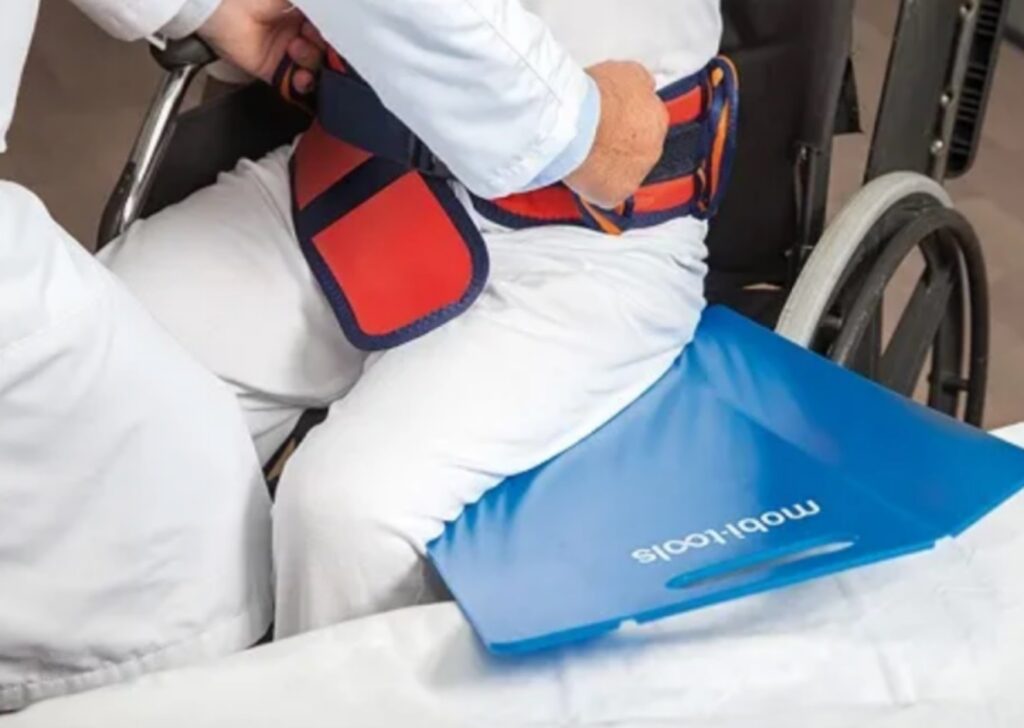
    Seated transfer boards are designed for patients who can remain in a seated position and actively participate, either independently or with assistance, during the transfer.

    Depending on the model, they are suitable for applications including:

    • Bed to wheelchair transfers.
    • Wheelchair to armchair transfers.
    • Chair to vehicle seat transfers.
    • Vehicle to wheelchair transfers.
    • Transfers between a wheelchair and other seating or support surfaces

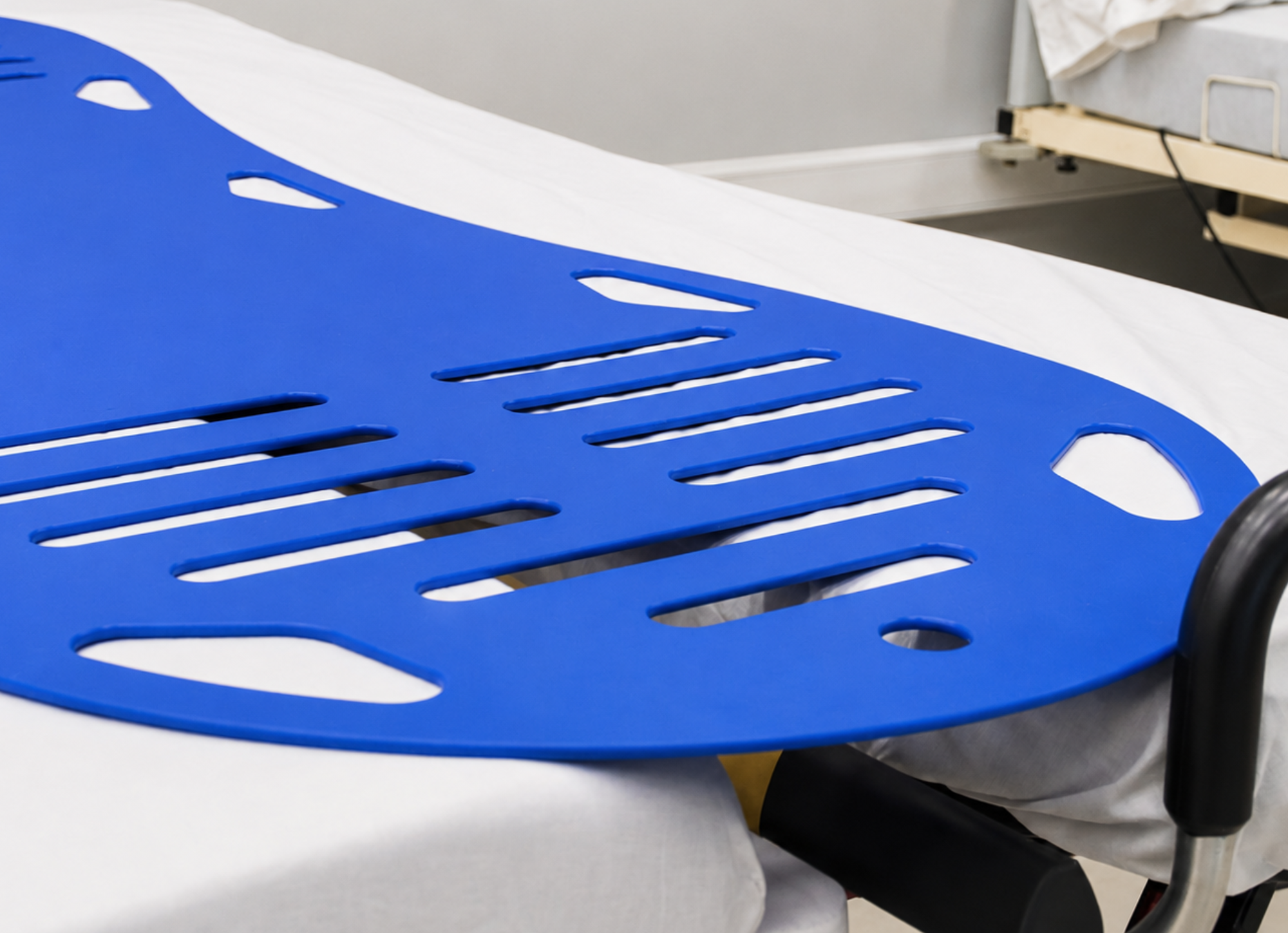
    These boards are typically compact, lightweight, and easy to handle. Some models incorporate longitudinal hand slots to improve grip and positioning, while others feature a curved profile that facilitates transfers where angled positioning is required.

    Their lightweight construction and integrated carrying handles make them easy to transport between hospital departments, care facilities, and home care settings. The MOBITOOLS Glide® range includes dedicated models for travel, home care, hospital use, and transfers requiring enhanced manoeuvrability.

    Horizontal transfer boards

    Horizontal transfer boards are specifically designed for lateral transfers of patients in a lying position between surfaces such as:

    • Bed to bed.
    • Bed to stretcher.
    • Stretcher to examination table.
    • Bed to diagnostic imaging equipment.
    • Emergency, rescue and patient transport surface.

    These applications require boards with greater length and width to provide continuous support throughout the lateral transfer.

    Several models incorporate integrated handles, grip zones, hand slots, or other features that facilitate handling by healthcare professionals. The range also includes dedicated bariatric models, as well as solutions developed for emergency services and patient transport where speed, stability, and ease of handling are essential.

    Selected models feature a low-friction sliding surface combined with a non-slip underside to maximise safety during transfers. Radiolucent and MRI-compatible versions are also available where specified.

    Which MOBITOOLS Glide® transfer board is right for your care setting?

    The MOBITOOLS Glide® range is divided into two main product categories: seated transfer boards and horizontal transfer boards

    ReferenceDimensionsTransfer typeTypical application
    TMG640060 × 33 cmSeated transferCompact, lightweight model for everyday use
    TMG640568 × 33 cmSeated transferHome care
    TMG641075 × 33 cmSeated transferHospitals and long-term care facilities
    TMG649073 × 30 cmSeated transferErgonomic curved (“banana”) design
    TMG6420150 × 65 cmHorizontal transferBariatric patient transfers
    TMG6435175 × 65 cmHorizontal transferExtended bariatric transfers
    TMG6425170 × 50 cmHorizontal transferAmbulance and rescue services
    TMG6430170 × 50 cmHorizontal transferHospital and home care
    TMG6445180 × 60 cmHorizontal transferEmergency departments

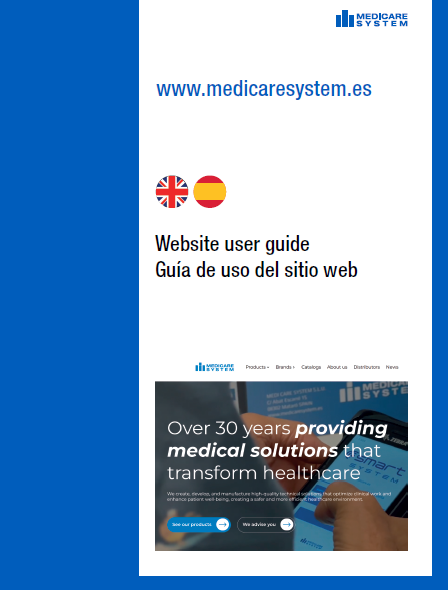
  • New Medicare website user guide: find product information quickly and easily

    New Medicare website user guide: find product information quickly and easily

    At Medicare, we are continuously working to provide a more intuitive, comprehensive, and efficient digital experience. To make it easier for users to access all the information available on our website, we have prepared a new user guide that will help you make the most of all the features and resources available on our platform.

    This guide has been designed to help customers, distributors, and healthcare professionals quickly locate products, access technical documentation, and find useful support materials with ease.

    What will you find in the Medicare website user guide?

    Our website offers a wide range of information on medical devices, mobility aids, pressure care solutions, and healthcare products. With this new guide, you will discover how to take full advantage of the tools available to streamline your searches and access the information you need.

    The guide includes explanations on the following key features:

    Quickly find products using the search tool

    Learn how to use the website’s search function to locate products instantly. By entering product names, references, or keywords, you can quickly access the relevant information.

    Access catalogues and technical data sheets

    The guide explains how to view and download up-to-date catalogues, technical data sheets, user manuals, and other product documentation to ensure you always have the most complete information available.

    View videos and multimedia resources

    Many of our products include explanatory and demonstration videos that help users better understand their features and applications. The guide shows you how to access these resources directly from the product pages.

    Browse by categories and brands

    Our website structure allows users to easily navigate through product categories and brands. The guide explains how to explore these sections to find the solutions that best meet your needs.

    Download high-resolution product images

    Distributors, retailers, and professionals can access high-quality product images for use in catalogues, websites, marketing materials, and promotional campaigns.

    A valuable resource for customers and distributors

    This new user guide has been created to simplify the daily work of everyone who uses the Medicare website as a source of information and product support.

    In addition to improving the browsing experience, it helps save time when searching for products and technical documentation by providing faster access to all available resources.

    We encourage you to share this guide with your customers, partners, and distributors so they can easily find any information related to our products and solutions.

    Available in english and spanish

    To support our international customers and business partners, the guide is available in both english and spanish.

    You can download it directly from the attached document and start exploring all the features and resources available on the Medicare website.

    Medicare: innovation and accessibility for healthcare professionals

    At Medicare, we remain committed to providing digital tools that improve communication, access to information, and the overall customer experience. This new guide is another step forward in our mission to deliver an efficient, accessible, and professional service tailored to the needs of the healthcare sector.

    Download the guide and take full advantage of all the possibilities of the Medicare website.

  • Patient restraint and transfer in emergency settings: How to ensure safety without losing time

    Patient restraint and transfer in emergency settings: How to ensure safety without losing time

    In emergency and urgent care environments, speed of intervention is critical. However, when addressing patient restraint and transfer in emergency situations, the priority is not only acting quickly, but also doing so with safety, control, and operational efficiency.

    This need becomes even more relevant when the patient presents aggressive behaviour, agitation, or disorientation, increasing the risk during handling and mobilization. In this context, one of the most delicate moments is patient transfer between stretchers or beds, particularly in emergency stretchers.

    How can a safe transfer be ensured without compromising the safety of either the patient or the healthcare team?

    Caring for patients with psychomotor agitation or aggressive behaviour poses significant challenges in emergency departments, ambulances, and hospital settings.

    Among the main risks in patient restraint in emergency situations are:

    • Loss of control of the patient during mobilization
    • Accidental injuries during transfer
    • Risk to healthcare professionals
    • Interruptions in care protocols
    • Increased intervention time

    Additionally, many traditional immobilization systems require partial or complete release of patient restraints during the transfer process, significantly increasing the risk of incidents, particularly in patients who are agitated, disoriented, or exhibit unpredictable behaviour. This intermediate handling phase represents a critical point for both patient and healthcare team safety, as any loss of control may result in falls, injuries, or operational risk situations.

    In this context, the ability to transfer patients on emergency stretchers without removing restraints represents a significant advancement in patient safety. This approach ensures continuous control of the patient during mobilization, reducing intervention times, minimizing exposure to unnecessary risks, and improving coordination among healthcare teams in high-pressure situations.

    This approach enables:

    • Continuous control of the patient at all times
    • Reduced risk of aggressive reactions
    • Improved safety within the care environment
    • Optimized intervention times
    • More efficient patient care

    For this reason, an increasing number of healthcare facilities are opting for systems that integrate patient restraint and immobilization with safe transfer capabilities. Restraint systems for emergency stretchers:

    What should they meet to ensure safe patient restraint in emergency care?

    1. Rapid application: Allowing quick deployment in critical situations.

    2. Secure and comfortable restraint: Ensuring immobilization without causing harm or discomfort.

    3. Adaptability to patients and stretchers: Compatible with different patient profiles and types of emergency stretchers.

    4. Transfer without releasing restraints: A key factor in reducing risks during patient transport.

    5. High resistance and durability: Materials designed for intensive healthcare use. Salvafast® Transfer: a solution for patient restraint and transfer

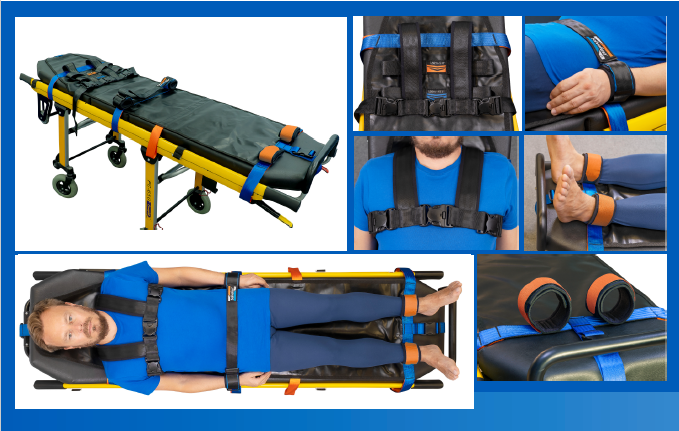
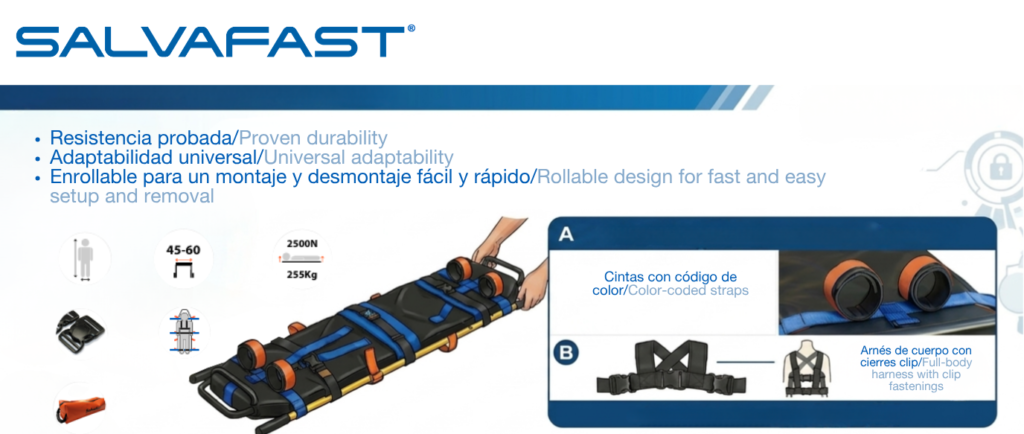
    The Salvafast® Transfer is designed for rapid restraint and safe transfer of aggressive or disoriented patients on emergency stretchers. Its main differentiating value is that it allows patient transfer without releasing restraints, ensuring continuous control at all times.

    Key features

    • Sliding base that facilitates patient transfer
    • Harness system with multiple fixation points
    • Wrist and ankle restraints with double Velcro® fastening system
    • Compatible with stretchers from 45 to 60 cm width
    • Universal size
    • Single-piece design for fast deployment

    This system is designed to meet the real needs of emergency care environments, ensuring both safety and efficiency. Implementing specific restraint and transfer systems in emergency settings provides clear benefits:

    • Improved safety during patient mobilization
    • Reduced risks for both patients and healthcare professionals
    • Optimized care delivery time
    • Enhanced emergency care protocols
    • Adaptability to multiple healthcare environments

    The evolution of patient restraint systems for emergency stretchers is enabling a shift towards safer, more efficient, and more professional care. Having solutions that integrate both restraint and transfer is no longer an option, but a necessity in environments where every second counts.

    Discover how to improve patient safety in restraint and transfer in emergency care with Salvafast® Transfer

  • Medicare achieves ENS high and ISO 27001 certifications: Maximum security for the healthcare sector

    Medicare achieves ENS high and ISO 27001 certifications: Maximum security for the healthcare sector

    Medicare strengthens its commitment to information security with ENS High and ISO 27001

    In an increasingly digitalised, interconnected, and demanding healthcare environment, information security has become a critical factor in ensuring operational continuity, maintaining the trust of healthcare professionals, and protecting sensitive data. In this context, Medicare System has taken another step forward in its commitment to excellence, innovation, and regulatory compliance by obtaining the letters of confirmation that certify compliance with two of the most demanding and widely recognised frameworks in cybersecurity and information security management.

    This milestone represents far more than the achievement of two certifications. It marks the consolidation of a way of working built on trust, rigour, continuous improvement, and the comprehensive protection of information. For Medicare System, these accreditations reinforce a clear vision: to develop technological solutions for the healthcare sector through a model in which innovation and security go hand in hand. Today, more than ever, healthcare, social care, and public sector organisations need to work with technology partners that not only deliver functional and innovative solutions, but also provide real guarantees in data protection, risk control, traceability, and operational resilience. In this context, Medicare System strengthens its position as a company fully prepared to respond to the current and future challenges of the healthcare ecosystem.

    What does ENS High certification involve?

    • Implementation of advanced security measures
    • Comprehensive access control and traceability
    • Protection against complex cyberattacks
    • Mandatory periodic audits
    • Strict regulatory compliance in Spain

    What does ISO 27001 certify in healthcare?

    ISO 27001 is the leading international standard for information security management systems (ISMS).

    In the healthcare context, this certification guarantees that:

    • Patient data is protected through controlled processes
    • Risks are managed proactively
    • Security incident response protocols are in place
    • Continuous improvement is applied across all systems

    Why is this so important for our clients?

    Achieving ENS High and ISO 27001 is not simply a form of recognition; it is also a tangible guarantee for our clients. These certifications ensure the highest level of protection for healthcare data and significantly reduce cybersecurity risks. At the same time, they guarantee regulatory compliance in both Spain and across Europe, further strengthening the confidence of our partners and public-sector organisations. All of this is made possible through audited and optimised processes that ensure both efficiency and security in every operation.

    How we achieved it: our security-driven approach

    At Medicare, security is not a one-off project, but an ongoing process. To obtain these certifications, we have:

    • Implemented a robust information security management system
    • Successfully passed independent external audits
    • Defined specific controls for healthcare environments
    • Trained our teams in cybersecurity and data protection
    • Established monitoring and continuous improvement processes

    This approach enables us to adapt to an ever-evolving threat landscape.

    What does it mean that Medicare System has achieved ENS High?

    The achievement of ENS High and ISO 27001 certifications confirms that Medicare System has reached the highest level of information security, applicable to systems and environments where data protection is especially critical. ISO 27001, in particular, certifies that the organisation has a strong information security management system in place, built on control, risk analysis, continuous improvement, and the protection of sensitive data.

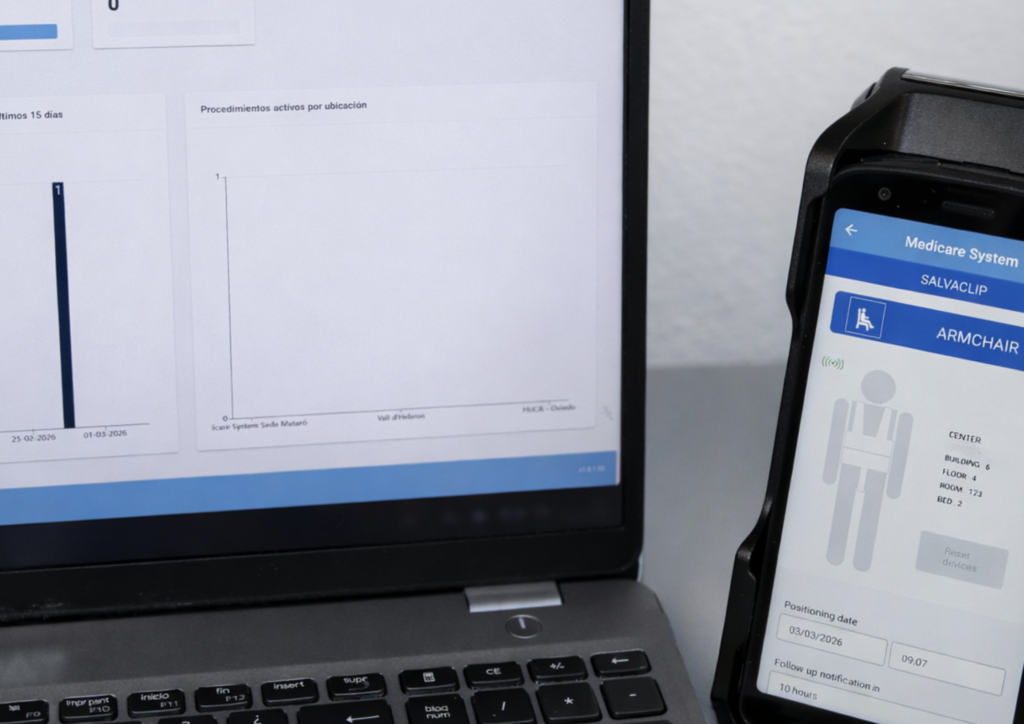
    This recognition further strengthens the Smart System® ecosystem by providing a more robust framework for security, traceability, trust, and compliance. As a result, solutions such as Salvafix Smart® and Salvaclip Smart® benefit from added value that protects both healthcare professionals and patients.

    Cybersecurity in healthcare is essential, as the sector handles extremely sensitive information and depends on systems whose availability, integrity, and protection are critical to service continuity and user trust.

    At Medicare, we continue to move forward in this direction, investing in technology, processes, and talent to guarantee the highest standards of information security and remain prepared for the new challenges of the digital environment. The achievement of these certifications is undoubtedly another step within our continuous improvement strategy, reinforcing our commitment to security and excellence in the healthcare sector.

  • Seated postural positioning: how to ensure safe and correct seated positioning of patients with poor postural control

    Seated postural positioning: how to ensure safe and correct seated positioning of patients with poor postural control

    Proper seated positioning is an essential element in the care of patients with reduced mobility, especially in geriatric, health care and hospital settings. In cases where the patient has limited trunk control, maintaining a stable and safe posture becomes a real care challenge.

    When seating is not managed correctly, the risks of sliding and loss of stability increase significantly, which can lead to falls, discomfort, muscle fatigue and even clinical complications. For this reason, its proper application under professional criteria is a key tool to ensure the patient’s safety and well-being.

    The importance of seated positioning in patients with poor postural control

    First of all, it is important to understand that prolonged sitting requires correct body alignment. However, in patients with muscle weakness, neurological disorders or functional impairment, this alignment cannot be maintained autonomously.

    When is it necessary?

    However, not all patients require chair positioning systems. After a professional assessment, the patient is found to be unable to maintain a stable upright position on his or her own.

    Generally, its use is recommended when signs such as:

    • Obvious loss of trunk control
    • Maintained anterior tilt
    • Repeated sliding in the seat
    • Severe muscle weakness or neurological pathologies
    • Risk of falls while seated

    In these cases, it acts as a functional support, whose objective is not to restrict, but to guarantee the stability, safety and comfort of the patient, always respecting good care practices.

    Key principles for safe and effective positioning

    For the positioner to perform its function properly, it is essential that the system used meets a series of basic criteria.

    Proper anatomical fit

    First of all, the system must adapt correctly to the patient’s body, providing support in the necessary areas such as the torso, shoulders and pelvic area, without generating pressure points or discomfort.

    Landslide prevention

    In addition, effective restraint should prevent the patient from leaning forward or sliding down in the seat, while maintaining a stable position during the time of use.

    Ease and speed of installation

    On the other hand, the systems must allow a fast, simple and safe application, facilitating the work of the professional and reducing the physical effort in the daily intervention.

    Breathable and hygienic materials

    Finally, the use of technical and breathable fabrics favors daily hygiene, improves patient comfort and allows prolonged use without compromising the quality of care.

    SALVACLIP® Safe: a specific solution for postural restraint in an armchair

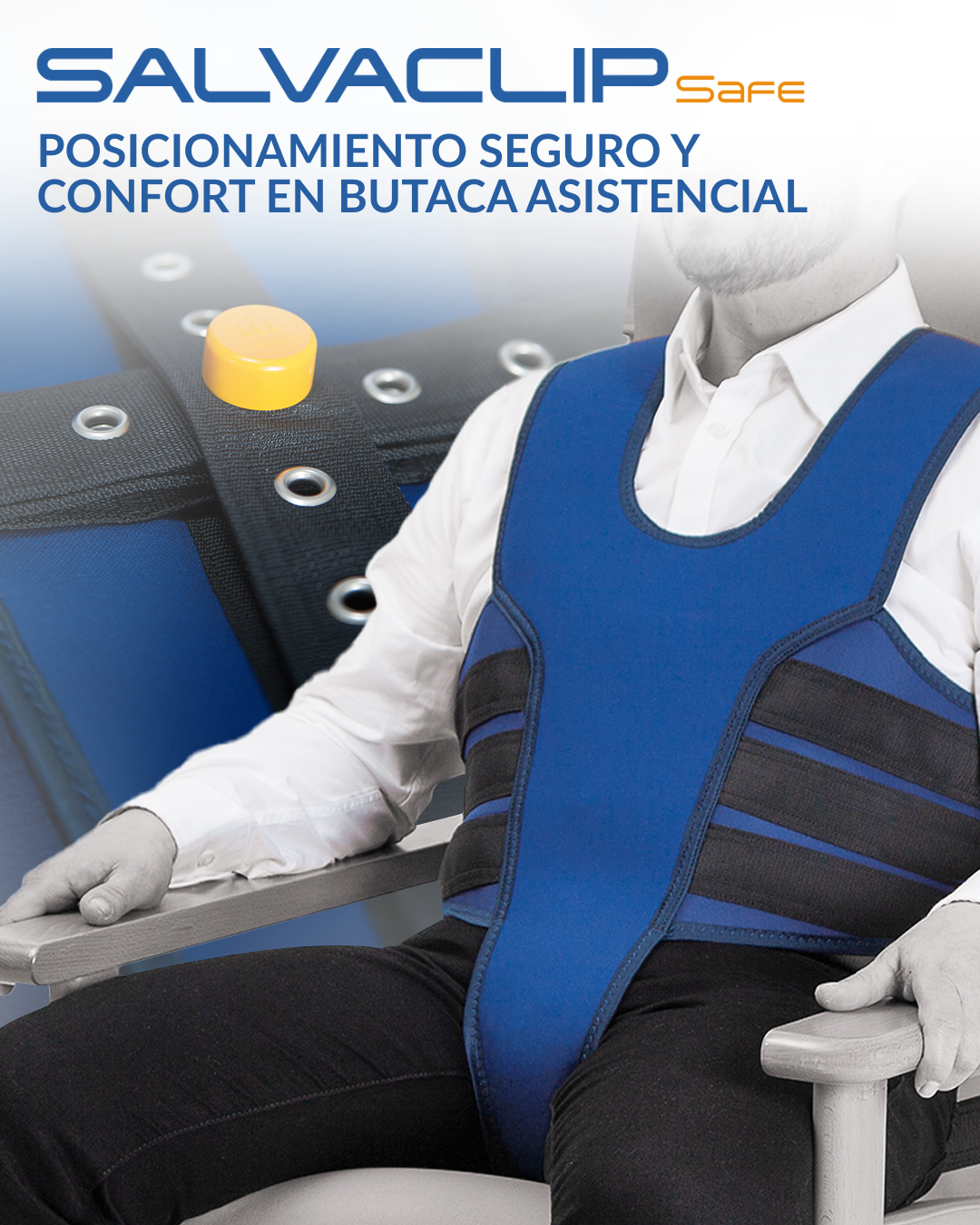
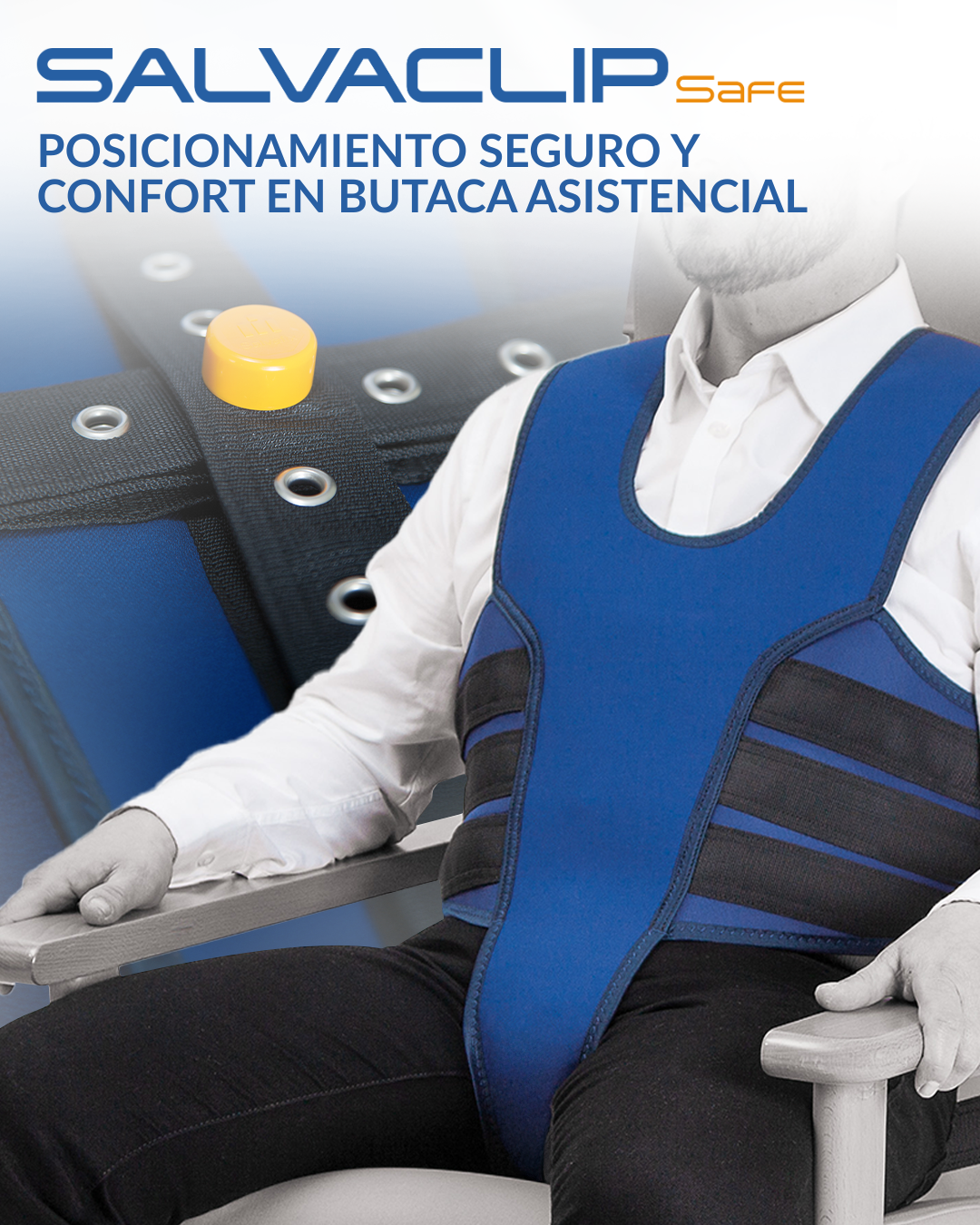
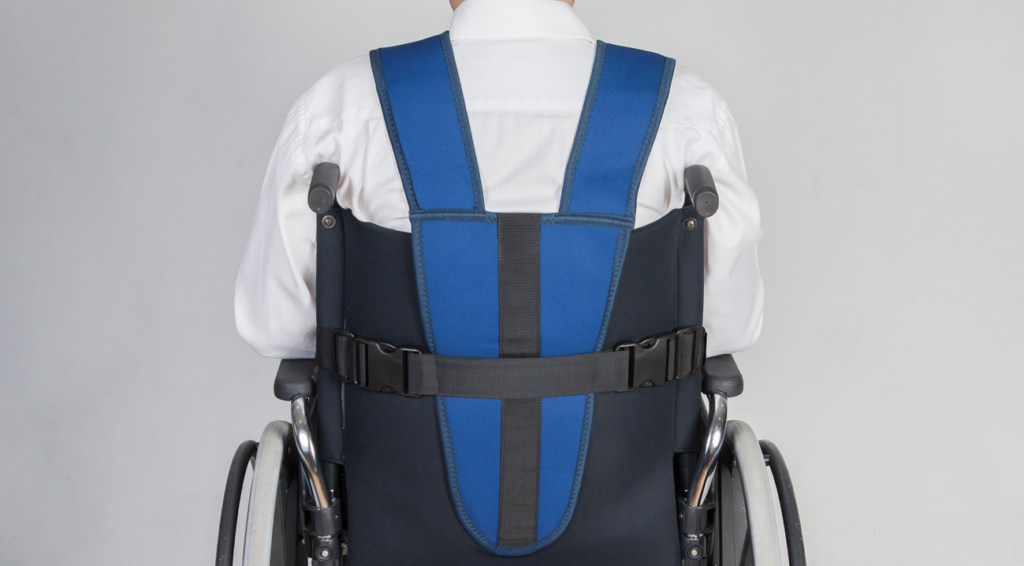
    In this context, the SALVACLIP® Safe perineal bib for armchair has been designed as an effective solution for patients with limited trunk control who need additional torso and shoulder support to maintain an upright position.

    Its design incorporates an integrated perineal band, whose main function is to prevent the patient from sliding forward or downward, providing stable and secure positioning.

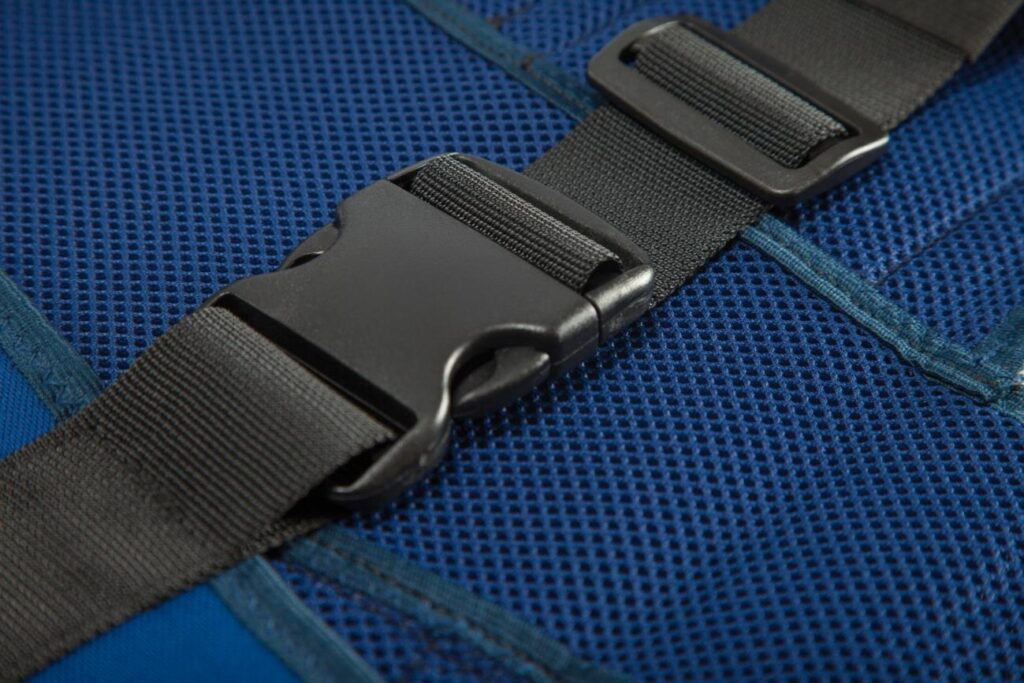
    In addition, the SALVACLIP® Safe has a safety locking system with magnetic opening, which allows a quick and reliable placement, optimizing the intervention time of the healthcare professional.

    Its technical features include:

    • High-strength 45 mm reinforced straps, ensuring a firm and comfortable hold
    • Three-dimensional, breathable and water-repellent polyester fabric for easy hygiene and daily maintenance

    Thanks to this combination of design and materials, the SALVACLIP® Safe is aligned with best practice in postural restraint, providing safety for the patient and peace of mind for the care team.

    Benefits in care settings

    The implementation of properly designed postural positioning systems brings clear benefits for both the patient and the professionals:

    • Increased safety and stability in seated position
    • Reduction of the risk of falls and slips
    • Improved comfort over extended periods of time
    • Decrease in constant readjustments
    • Optimization of caregiver time and effort

    If you are looking for a professional solution for a chair or recliner, the SALVACLIP® Safe offers an effective, safe and adapted response to the real needs of the care environment.

  • We are celebrating! FAGEM Award and our attendance at Medica 2024

    We are celebrating! FAGEM Award and our attendance at Medica 2024

    We are proud to announce that we have been awarded by FAGEM award (FEDERACIÓ D’ASSOCIACIÓS I GREMIS EMPRESARIALS DEL MARESME) for our Business Trajectory, a recognition of our 30 years of innovation and commitment in the healthcare sector.

    This achievement is also a recognition of the commitment of all our team towards creating solutions that improve medical care and optimize processes around the world.

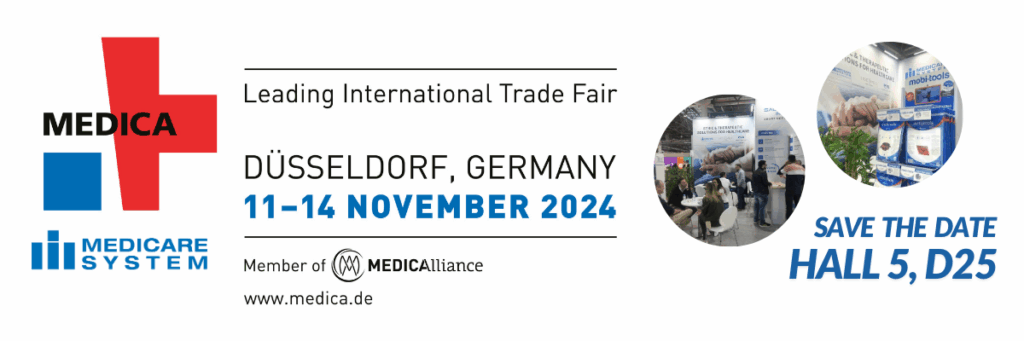
    Find out more about our solutions at Medica 2024: Hall 5, Booth D25.

    We are pleased to attend another year Medica 2024, the world’s largest medical trade fair in Düsseldorf. From November 11-14, we will be there showcasing our latest products and innovations. If you are planning to come, you will be very welcome at our booth in hall 5 -D25!


    Do not hesitate to contact us for more details or to arrange a meeting with us.


    Thank you for joining us.

  • Medicare System at ANECORM 2024: Innovation and Commitment to Patient Safety

    Medicare System at ANECORM 2024: Innovation and Commitment to Patient Safety

    Medicare System will be attending the 17th ANECORM CONGRESS, which are going to take place from October 2 to 4, 2024 in Palma de Mallorca, consolidating its presence as one of the reference Companies in solutions for patient care and safety. The congress, which is the key meeting point for nursing professionals from all over Spain, will be held in its seventeenth edition next October, and will be an excellent opportunity to show our product as well as to reiterate our commitment to the health sector.

    What is ANECORM?

    ANECORM (National Association of Nursing Coordinator of Material Resources) is  a congress specialized in resources in health companies. Its main objective is to provide a meeting point for professionals  related to this sector, allowing them to update themselves on the latest technologies, products and solutions to improve the quality of care and hospital efficiency.

    Each edition of ANECORM brings together thousands of health professionals and companies specializing in technology and medical solutions.  Over the years, this congress has become a reference about trends in innovation, safety and efficiency in patient care.

    Medicare Participation

    Medicare System has been present in several editions of ANECORM. At the 2024 edition, attendees will be welcome at Medicare System Booth nº 45, where will be able to introduce our wide range of solutions for pressure injury prevention and safety as well as mobility solutions for patients.

    Attendees will be able to better know about our different range line of products , which not only improve the quality of care, but also optimize resources in health industry.

  • Pressure Injury Prevention: How Salvapad products care patients

    Pressure Injury Prevention: How Salvapad products care patients

    Pressure injuries (LPPs), also known as pressure sores, are a common complication in patients with reduced mobility or immobilized for long periods of time. These injuries not only cause pain but can lead to serious infections and other complications that seriously affect quality of life of patients. In the care of vulnerable patients, the prevention of these injuries is crucial. At Medicare System, we have developed the Salvapad line range designed to protect the skin and effectively prevent LPP.

    What are pressure Injuries?

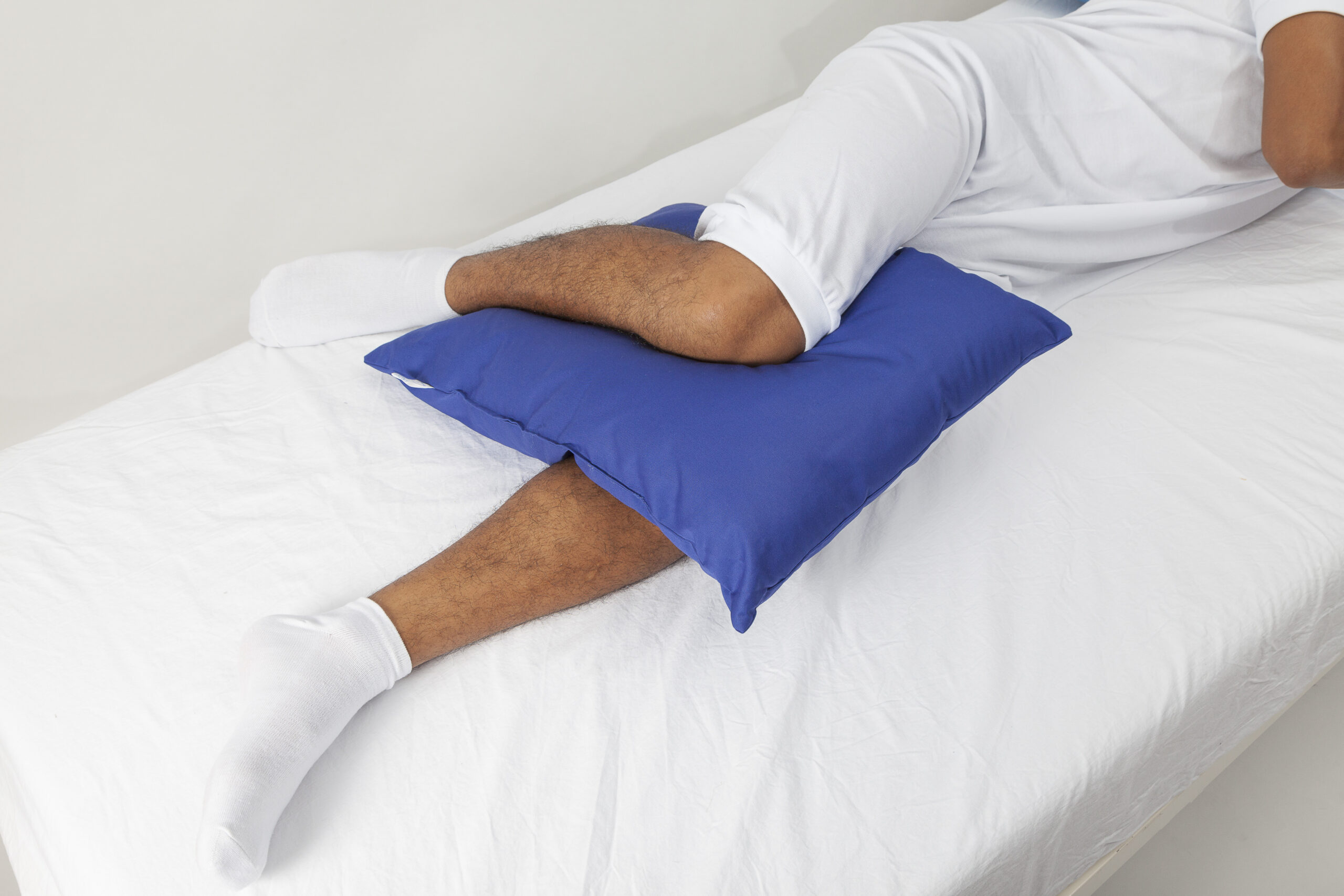
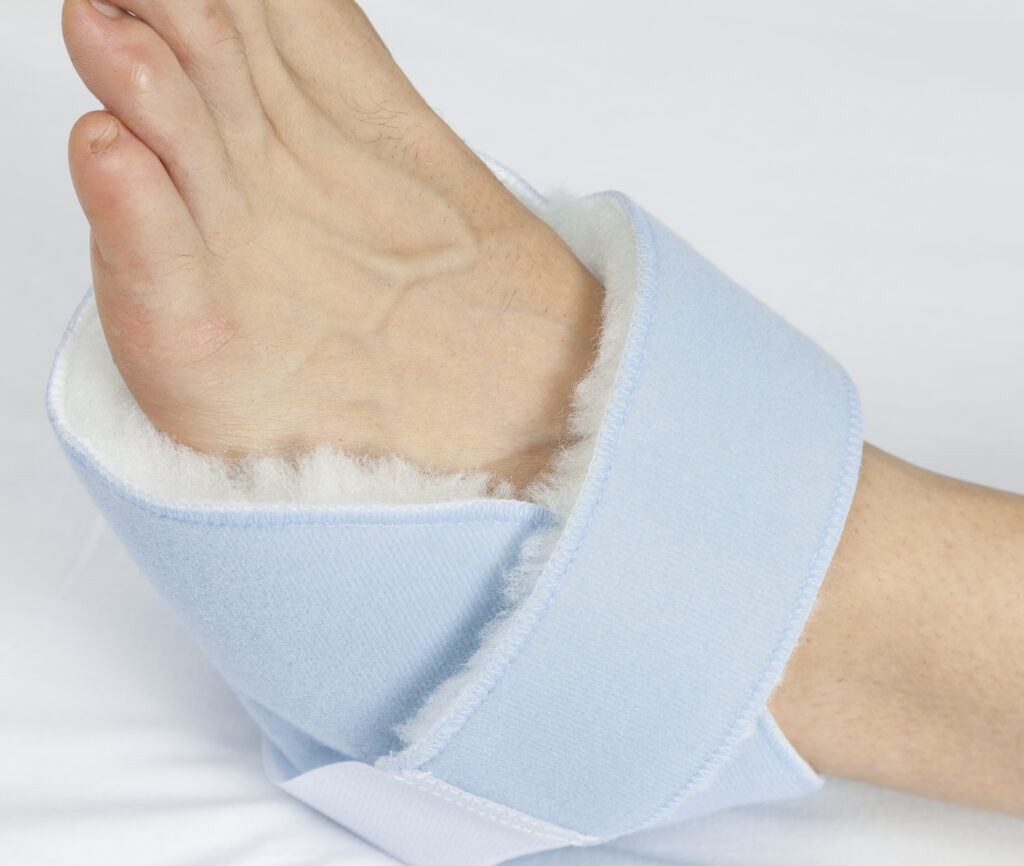
    Pressure injuries occur when the weight of the body continuously presses on the same areas of the skin, preventing blood flow. This is especially common in areas where the bones are close to the surface, such as the heels, elbows, hips, and back. Without the use of proper products, these lesions can develop into painful and difficult to treat sores. Preventing LPP is to avoid physical pain and provide the patient a value care.

    Salvapad: Functional Protection for Prevention

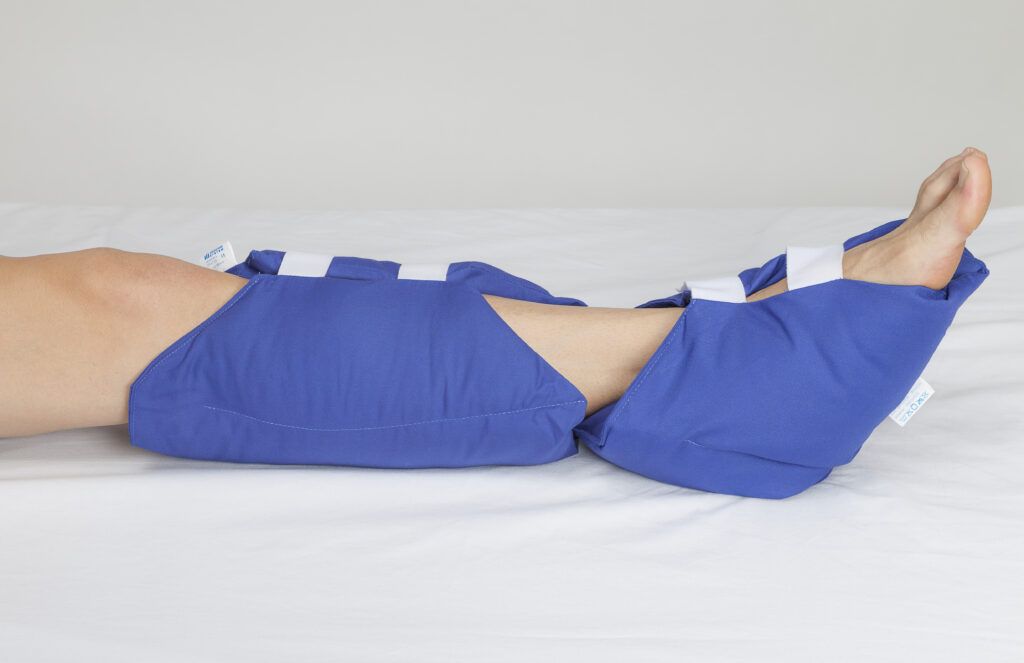
    Salvapad range offers solutions to prevent pressure injuries. Each variant of Salvapad is designed each patient according to their need, providing a protective barrier that distributes the weight of the body evenly, relieving pressure points.

    Salvapad Mouton

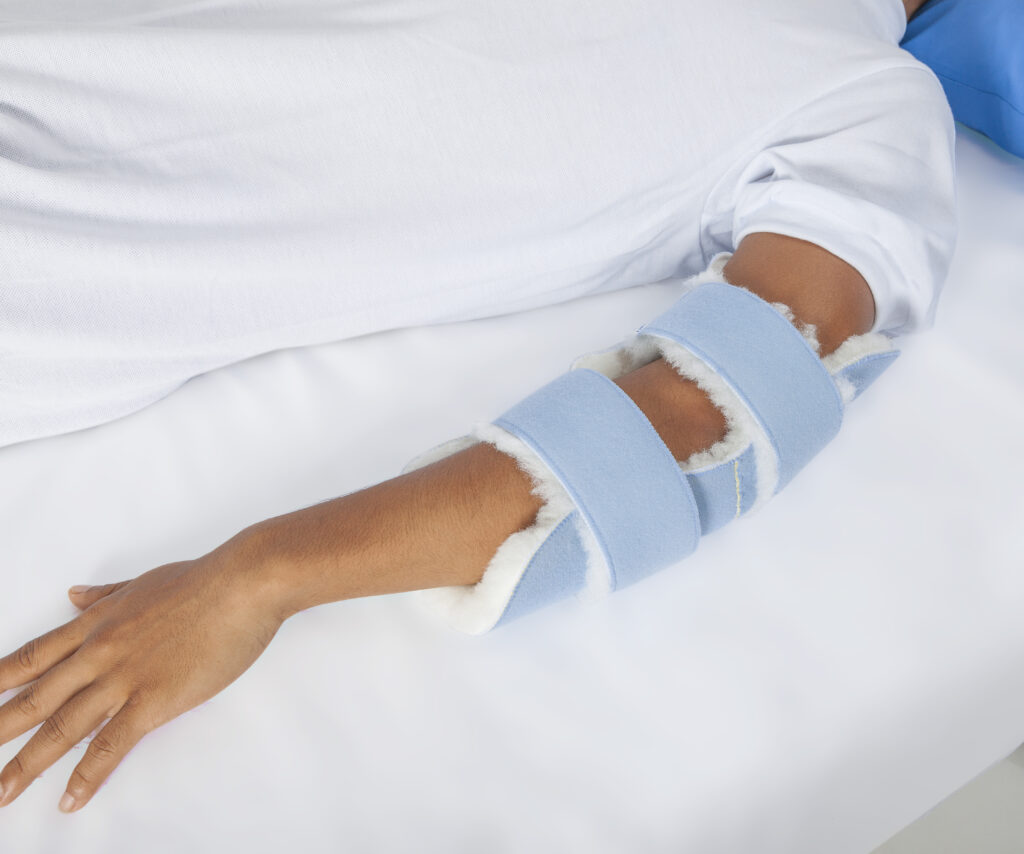
    The Salvapad Mouton line range is made of high-quality materials and offers a soft, cushioned solution that simulates mouton wool, an extra for those who need extra comfort. Its design ensures that the patient’s skin remains protected, providing soft support that prevents friction and reduces the risk of sores. This product is especially effective for patients who remain long periods in the same position, so the soft material allows a comfortable rest and a patient protection.

    Salvapad Fibre

    Salvapad Fibre is made from breathable synthetic fibers, so it is an ideal optimal selection for patients who require extra ventilation in support areas. This is a specific feature as it allows air circulation, preventing the accumulation of heat and humidity, two factors that contribute the arise of LPP. Additionally, its easy washing so, it’s a practical alternative for hospital and at home.

    Salvapad

    Finally, the Salvapad line range offers protection  for daily use. Made of durable, easy-to-clean materials, it’s a versatile option that adapts to medical situations that may arise. Salvapad is perfect for patients who require prime preventive against LPP, whether in hospitals, nursing homes or at home. Its ergonomic design   offers an even weight distribution and minimizes the risk of injury.

    The Importance of Prevention in Dignified Care

    Salvapad products are not only designed to prevent injuries, but to improve the experience for patients and their caregivers. Preventing LPP is more than just an act of physical care; it is a way of preserving the dignity and well-being of the patient. By offering comfort, safety, and effective solutions, Salvapad and likewise allow patients to rest with peace of mind, knowing that they are receiving the best care possible.

    At Medicare System, we recognize that well-being and protection must go together So we are truly committed to offering high-quality products that promote efficient, and respectful care. Preventing pressure injuries is a must.

  • Medicare System Highlights at MEDICAL TAIWAN EXPO 2024

    Medicare System Highlights at MEDICAL TAIWAN EXPO 2024

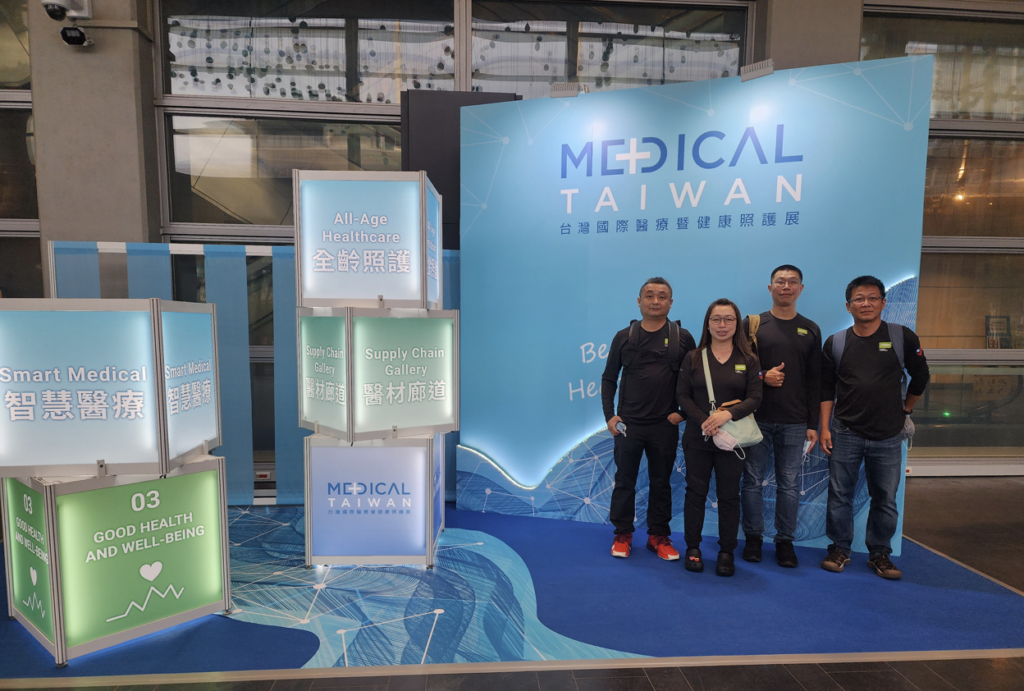
    Taipei, Taiwan – From June 20 to 22, 2024, our distributor in Taiwan, Jianan, Medicare System products at MEDICAL TAIWAN EXPO, one of the most important medical fairs in Asia with almost 8000 medical professionals in attendance.

    A Benchmark Event in the Medical Field

    The MEDICAL TAIWAN EXPO is a well-known exhibition that list domestic and international manufacturers of medical equipment, establishing itself as a key forum for the exhibition of technological advances and new products in the field of health. The 2024 edition was no exception, standing out for the variety and quality of the innovations presented.

    Presentation of Salvafix and Salvaclip

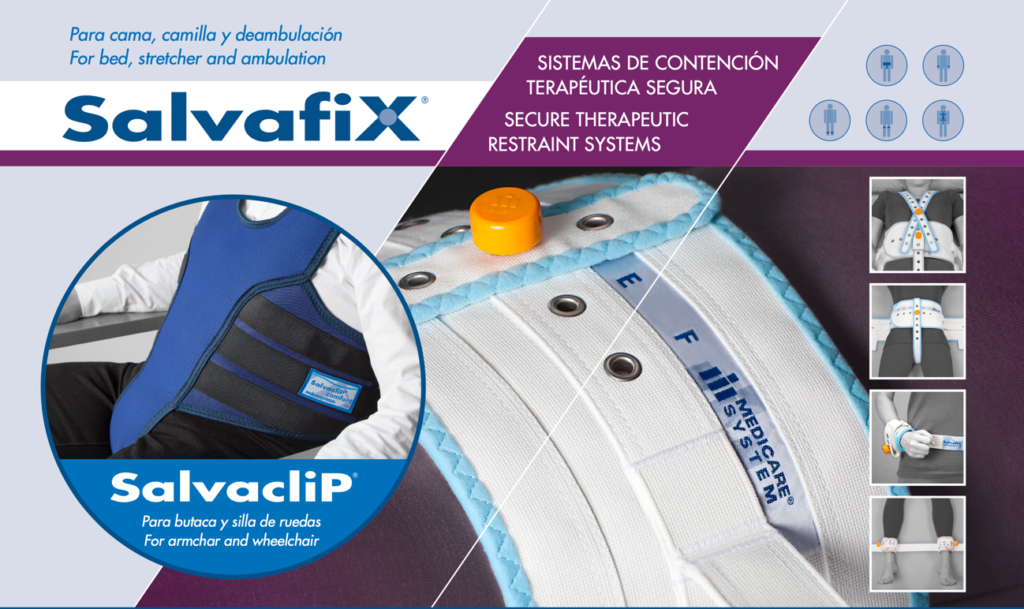
    At the Jianan booth, our products range line of Salvafix and Salvaclip was highlighted. of Their use demos attracted many professionals, who showed great interest in the practical applications and benefits of these products focused to improve care of patients. The positive reception underlines their ability to meet market demands with innovative and high-quality solutions.

    The achievement of Jianan’s in MEDICAL TAIWAN EXPO reflects his dedication and commitment to our products and Company. Jianan has develop a key role in expanding our products presence in his market, with professionalism and capability.

    we would like to extend our congratulations for their success along this fair. Their commitment and effort strengthened our relationship and highlighted the importance of healthcare products solutions.

    About Salvarfix and Salvaclip

    • Salvafix is one of the safest and most effective restraint systems on the market. Its success is due in part to its complete training program for distributors and professional users. SALVAFIX allows to act with greater agility, ensuring the safety of the professional and the patient. Trainings presential or remote, includes a wide range of audiovisual material and learning resources. The constant improvement of the Salvafix system makes training a vital tool to achieve excellence in the use of the product.
    • Salvaclip is intended to better position seated patients, Salvaclip offer a wide range of vest and belts that are especially designer for people with stability difficulties. With an adjustable ergonomic design, it offers comfort and security. Different types of closures as per patient needs for quick and easy application and adjustment. It is the most effective option for patients at risk of slipping and falling from the chair, adopting incorrect postures or uncontrolled movements.
  • How Orthotics Help in Injury Recovery: Complete Guide and Benefits

    How Orthotics Help in Injury Recovery: Complete Guide and Benefits

    Musculoskeletal injuries affect people of all ages and lifestyles, whether it’s from sports activities, intense physical work, or daily wear and tear. Orthotics play a crucial role in recovery and pain relief. In this article, we’ll explore how orthotics can help you recover, their benefits, and how to choose the right one.

    The Effectiveness of Orthotics in Recovery

    Orthotics are orthotic devices that provide support to affected joints and muscles, helping to reduce pain and speed recovery. According to various studies, the proper use of orthoses can significantly improve mobility and functionality after an injury.

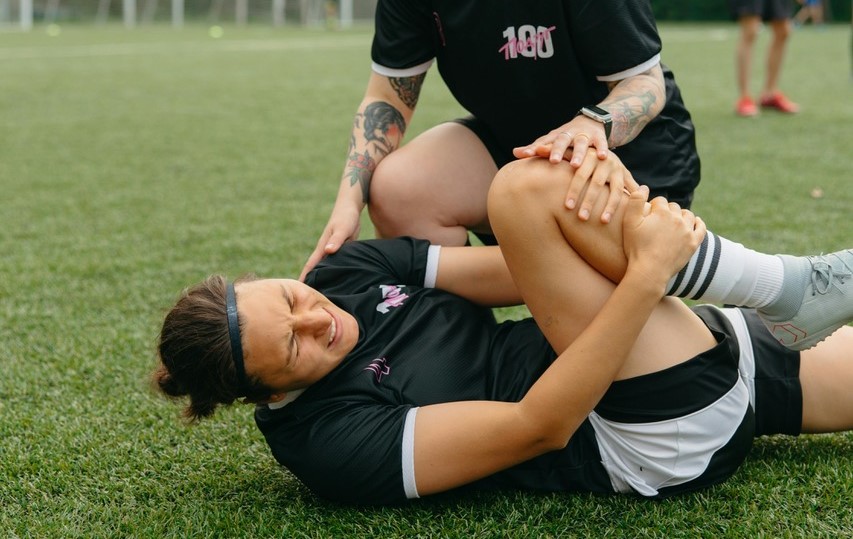
    Knee Injuries: Knee injuries are very common, especially among athletes. Studies indicate that they account for approximately 10-15% of all sports injuries. Wearing a proper brace helps reduce recovery time by 30% while preventing future injuries.

    Back pain: Approximately 80% of people experience low back pain at some point in their lives. Lumbar orthotics can relieve pain and improve posture.

    Shoulder and Arm Injuries: Shoulder and arm injuries are common in contact sports and intense physical activities. It is estimated that shoulder injuries account for 20% of all sports and occupational injuries. Shoulder and arm orthotics can significantly reduce pain and improve stability, facilitating a faster recovery.

    Types of Orthotics and Their Benefits

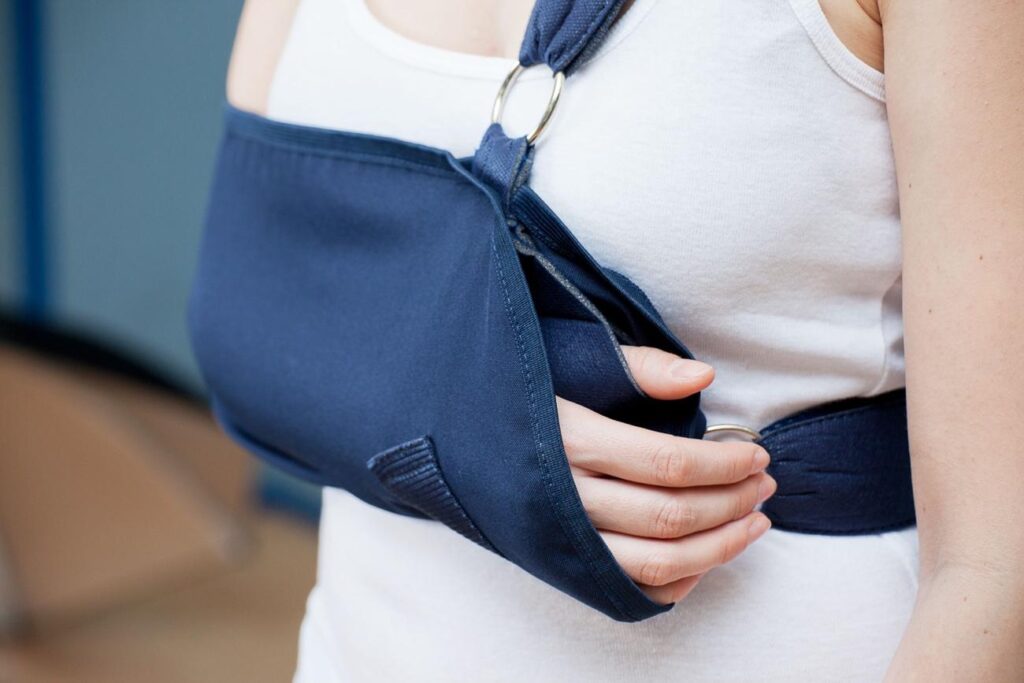
    Shoulder and Arm Immobilizers: Shoulder and arm immobilizers provide support and stability, reducing the risk of further injury and relieving pain. For example, the  Medicare System Sling Roll is a universal Velcro® fastening and restraint system made of soft, padded material that provides comfortable, durable support.

    Another highlight is the Charpa, a lightweight arm and shoulder sling with an ergonomic, breathable and washable design. Its soft seamless tapes.

    They reduce pressure on the neck and do not cause chafing. This sling is adjusted by Velcro® and has thumb support. For other injuries, the Sling Eco are shoulder immobilizers made of velour on the outside and hypoallergenic technical fabric on the inside, seamless and adjustable with Velcro®.

    Lumbar and Abdominal Girdles: Lumbar and abdominal girdles relieve pain and improve posture, providing support during intense physical activities. The  Medicare System Abdominal Girdle is an anatomical girdle for post-operative dressing, usable for pelvic retractions, composed of three compact elastic bands and Velcro® closure. It has a back height of 24 cm and provides robust and comfortable support, ideal for workers and people with chronic back pain.

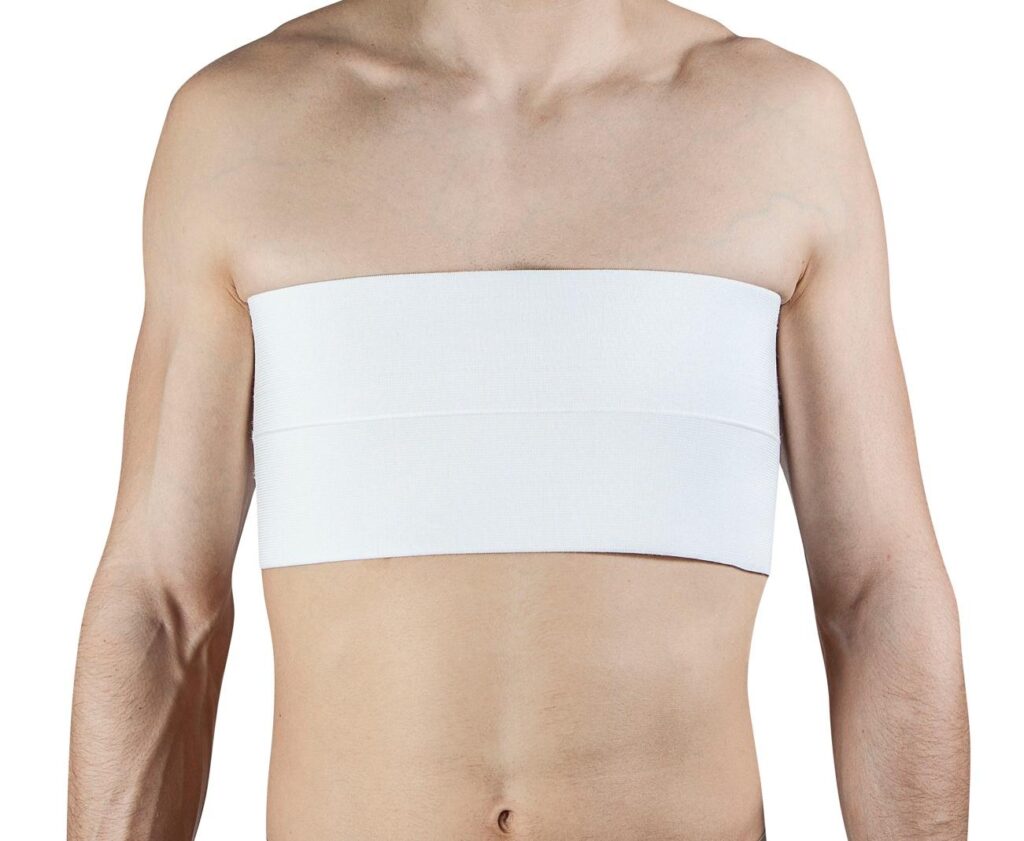
    The Chest Brace is another excellent option, designed for chest support in cases of rib trauma. This girdle is composed of two compact elastic bands and Velcro® closure, with a back height of 16 cm.

    Knee Immobilizers: Knee immobilizers provide support and stability, reducing the risk of further injury and relieving pain.

    The  Medicare System Ortocel Soft Knee Immobilizer has a three-panel structure with an aluminum splint that allows easy adaptation thanks to its easy and quick application, with Velcro® adjustment. This product is indicated for trauma, post-operative treatments, arthritis, dislocations and muscle injuries.

    How to Choose the Right Orthosis

    Selecting the right brace depends on several factors: the type of injury, the activity you do, and your specific needs. Here are some tips to help you choose:

    Consult a Health Professional: Before purchasing an orthosis, it is advisable to speak with a doctor or physiotherapist for specific recommendations.

    Consider Activity: Make sure you choose a brace that fits your lifestyle and the activities you do regularly.

    Comfort and Fit: The orthosis should be comfortable and fit well to provide proper support without causing discomfort.

    In summary, orthotics are effective tools for injury prevention and recovery. Whether you need support for your knees, back, or arms. Medicare System offers high-quality products such as the Sling Roll, the Charpa, the Sling Eco, the Abdominal Gir
    the Thoracic Belt and the Orthocel Soft Knee Immobilizer that can help you improve your day-to-day life comfortably and effectively

  • Aging in Spain: Challenges and solutions for the care of our seniors

    Aging in Spain: Challenges and solutions for the care of our seniors

     The aging of the population is an unquestionable reality in Spain. With one of the lowest birth rates and one of the highest life expectancies in the world, the country faces a significant challenge in caring for its elderly population. Currently, more than 20% of Spaniards are over the age of 65, and this figure is expected to rise to 30% by 2050, putting considerable pressure on healthcare and retirement income system.

    This demographic trend raises a number of challenges. Numerous families are assuming the care of their elders at home, facing daily challenges on a non-professional basis. This type of care can be exhausting and physically demanding. Everyday tasks, such as helping seniors get up, move or sit up, can carry risks for both caregivers and the seniors.

    Responding to these challenges, Medicare System is committed to developing innovative products that improve the quality of life for seniors and ease the burden on caregivers. Our mobility and transfer products (Mobitools) are key and helpful products. These devices allow caregivers to perform mobilization tasks such as lifting from bed, transferring from bed to chair, etc. more safely and efficiently, reducing physical strain and minimizing the risk of injury to both the caregiver and the patient.

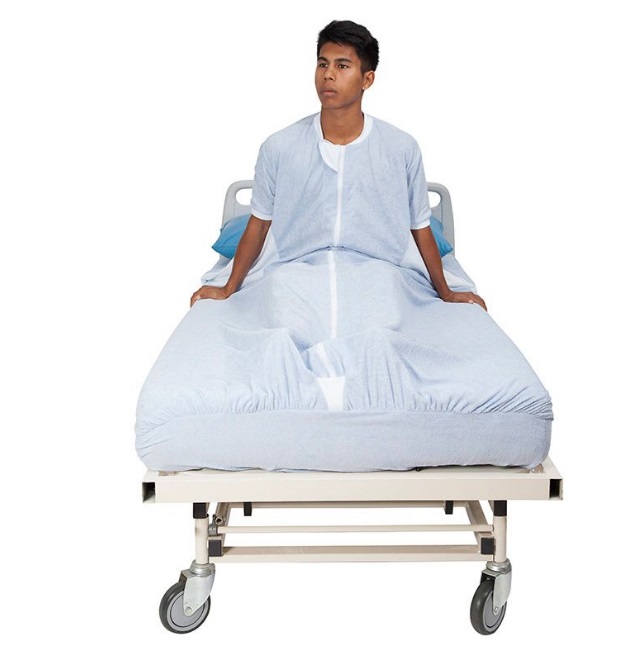
    In addition, we offer other complementary products such as vests and positioning belts for wheelchairs, as well as Bodyfix pajama. The vest and positioning belts are designed to keep our seniors safe, prevent falls and improve posture. Bodyfix ensures that the elderly remain comfortable and safe during the night, reducing the risk of falls when trying to get up without assistance.

    To further support families and caregivers, we provide a wide selection of videos to assist them in these daily tasks, providing practical information and accessible techniques. This is part of our commitment to provide professional care and make it accessible to all, ensuring that both the seniors and their caregivers have the right tools for a safer and more dignified lifestyle.

    As a summary, the aging of the population represents significant challenges that require innovative solutions. With effective policies and the appropriate use of tools such as those we offer, we can ensure healthier aging. Adopting these solutions not only improves the quality of life of our seniors , but also guarantees a safer and more efficient care environment, contributing to overall well-being.

  • “The Salvafix Smart improves and facilitates the work of both assistants and nurses”.

    “The Salvafix Smart improves and facilitates the work of both assistants and nurses”.

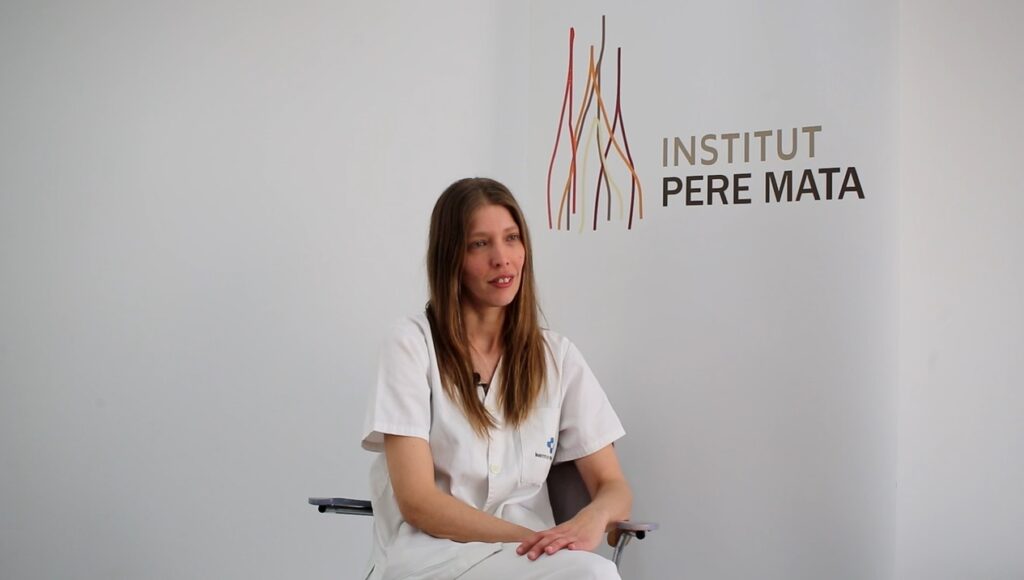
    Interview with Silvia, TCAE auxiliary Pere Mata Institute.

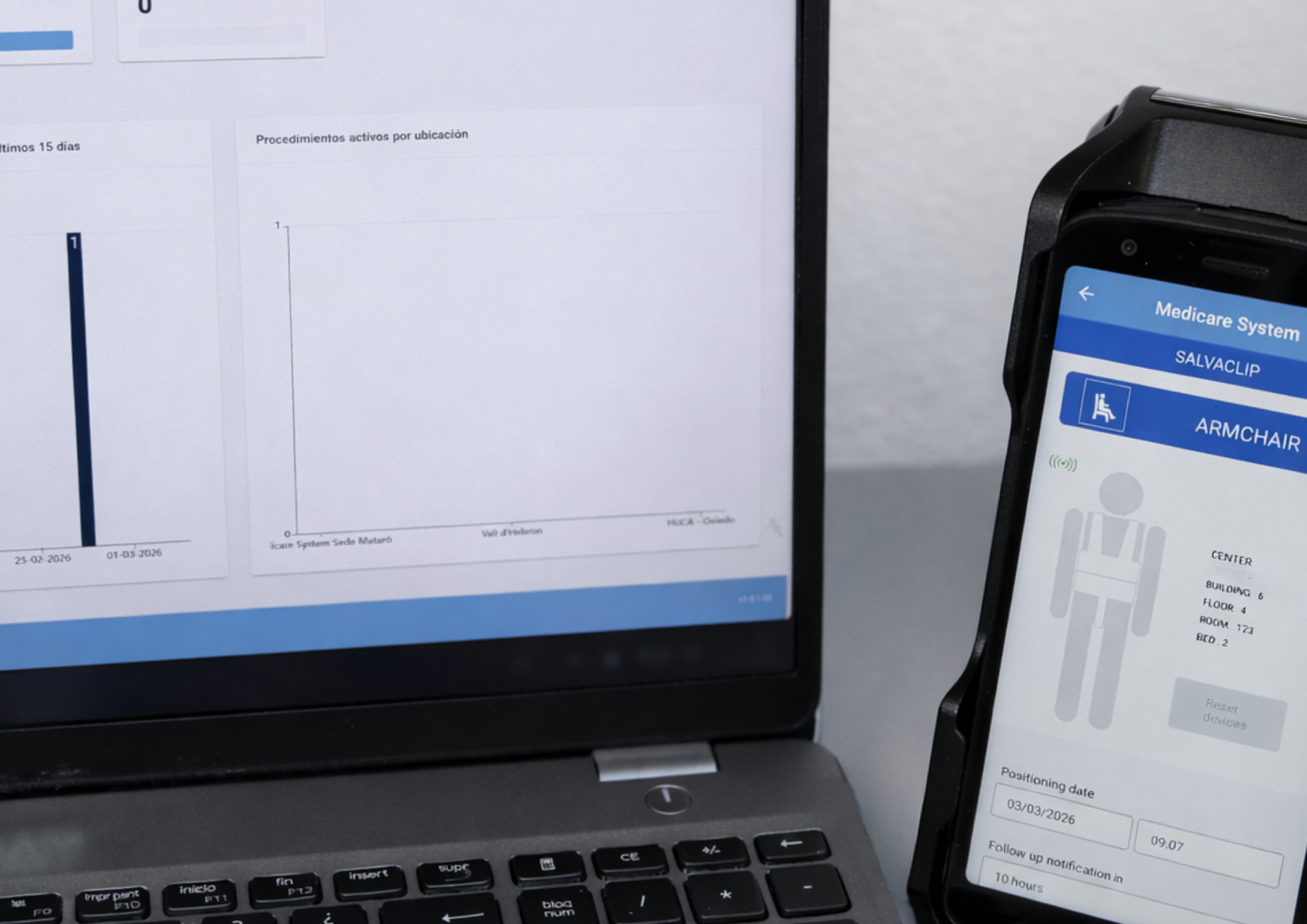
    Silvia has been working as a nursing assistant (TCAE) at the University Hospital Institut Pere Mata (Reus) for 19 years. She has been one of the professionals who has participated in the implementation of the pioneering Salvafix Smart® system of Medicare System, an innovative solution that allows for the first time to trace mechanical restraints and record and monitor, in real time, its application procedure in hospitals and health and care centers.

    We have previously interviewed Miquel Ragull, Head of Mental Health Nursing at Mataró Hospital; Amaia Falcon Vallespí, nurse at the Acute Unit of the Institut Pere Mata University Hospital and, from a hospital technological application point of view, Guillem Rico, one of the IT specialists of the Pere Mata Group.

    What benefits have you seen since the implementation of this new Salvafix Smart system?

    One of the benefits is the ease of restraint registration. Specifically, the ease, efficiency and reliability of the system. Also, the fact that the information in the patient’s history appears automatically, and not have to waste so much paper writing down data for so long. This system improves and facilitates the work of both the auxiliary and the nursing staff since at a glance, in the clinical history on the computer, you can make remarks, or check aspects such as whether it is complete restraint, or whether it is cross restraint, all in a simple way. Moreover, because everything is recorded, clearly, without any paperwork to rummage through.

    Did you find the Salvafix Smart application procedure easy way?

    Yes, it is quite comfortable and very easy to install and read.

    What about data registration?

    Yes, it is very convenient to use the PDA. It’s like a cell phone, you install the program, and you have it, it’s certainly not difficult at all. 

    Did you find it easy to read the intelligent devices systems with the PDA?

    In the beginning, you must get used to reading the RFID, but once you get used to it, it reads very well, at a distance, and without any difficulties.

     Did you find it easy to navigate through the application software interface?

     Yes, it is very practical to check the devices you own, the ones you have active, in use, or the ones you have in the laundry, in a clear visual way. It’s very easy to check everything.

     Do you think it saves time in recording data compared to the previous method you were using before?

    Yes, it saves time, because the information goes directly into the clinical file, and because you can check notes entered by all the staff. In addition, the time and paper savings, and the fact that all the data match with nursing, assistants and physicians.

    Do you consider that has improved the efficiency in the recording and processing of patient data and the subsequent analysis of the information?

    Yes, because previously it was more challenging since, for instance, a nurse would record a particular time, and the assistants would have another time recorded. Now everything fits in.

    What is the main motivation behind the implementation of this intelligent system in your hospital?

    It’s about making the work easier, saving time and gaining efficiency.

    What results have patients seen after implementing this system?

    The patients have not perceived a big change because the devices are still of the same design. At first, they were a bit surprised by the PDA, but there has not been any significant change for them.

     How do you assess the overall impact of this new technological creation in minimizing mistakes in the clinical procedures of mechanical restraints?

    Before there could be some mistakes in the sense that a procedure could be left open, and not register that it had been closed. Now you simply pass the PDA through the code and the patient’s entire clinical history comes out, from the beginning of the restraint to the end.

    Find out more information about Salvafix Smart, contacting us here.