

Proper positioning can make a real difference to a patient’s wellbeing. For people who are bedbound or have reduced mobility, appropriate positioning, changes of position and the use of assistive products are important in reducing the risks associated with sustained pressure.
In hospitals, care homes and other care settings, healthcare professionals need to tailor these measures to each patient’s needs, paying particular attention to the most vulnerable areas of the body.
Why is patient positioning important?
Pressure injuries, also known as pressure ulcers, are localised areas of damage to the skin or underlying tissues associated with pressure alone or in combination with shear forces.
In patients with reduced mobility, certain areas, such as the heels, elbows and sacral region, may be exposed to pressure for prolonged periods.
Patient positioning helps change the points of support, promotes a comfortable posture and complements measures to prevent pressure injuries.
The key is to tailor postural care to each patient rather than apply the same approach to everyone.
How should bedbound patients be repositioned?
Repositioning bedbound patients is an important measure for preventing pressure injuries, as it changes the points of support and reduces prolonged pressure on certain areas of the body.
Repositioning plans should be tailored to each patient’s individual needs, taking account of their mobility, clinical condition, skin condition and the support surfaces used. Particular attention should be paid to vulnerable areas such as the heels, elbows and sacral region, redistributing pressure and relieving pressure points where indicated.
During patient handling, dragging movements that may cause friction and shear forces should be avoided. Suitable assistive products can make positioning easier and help maintain a stable, comfortable posture.
For patients who are seated, body alignment, the distribution of support and their ability to change position must also be assessed.The frequency of repositioning should be determined individually through professional assessment and reviewed in line with the patient’s clinical progress and tolerance.
Which assistive products can help with patient positioning?
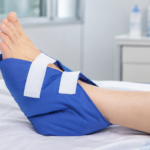
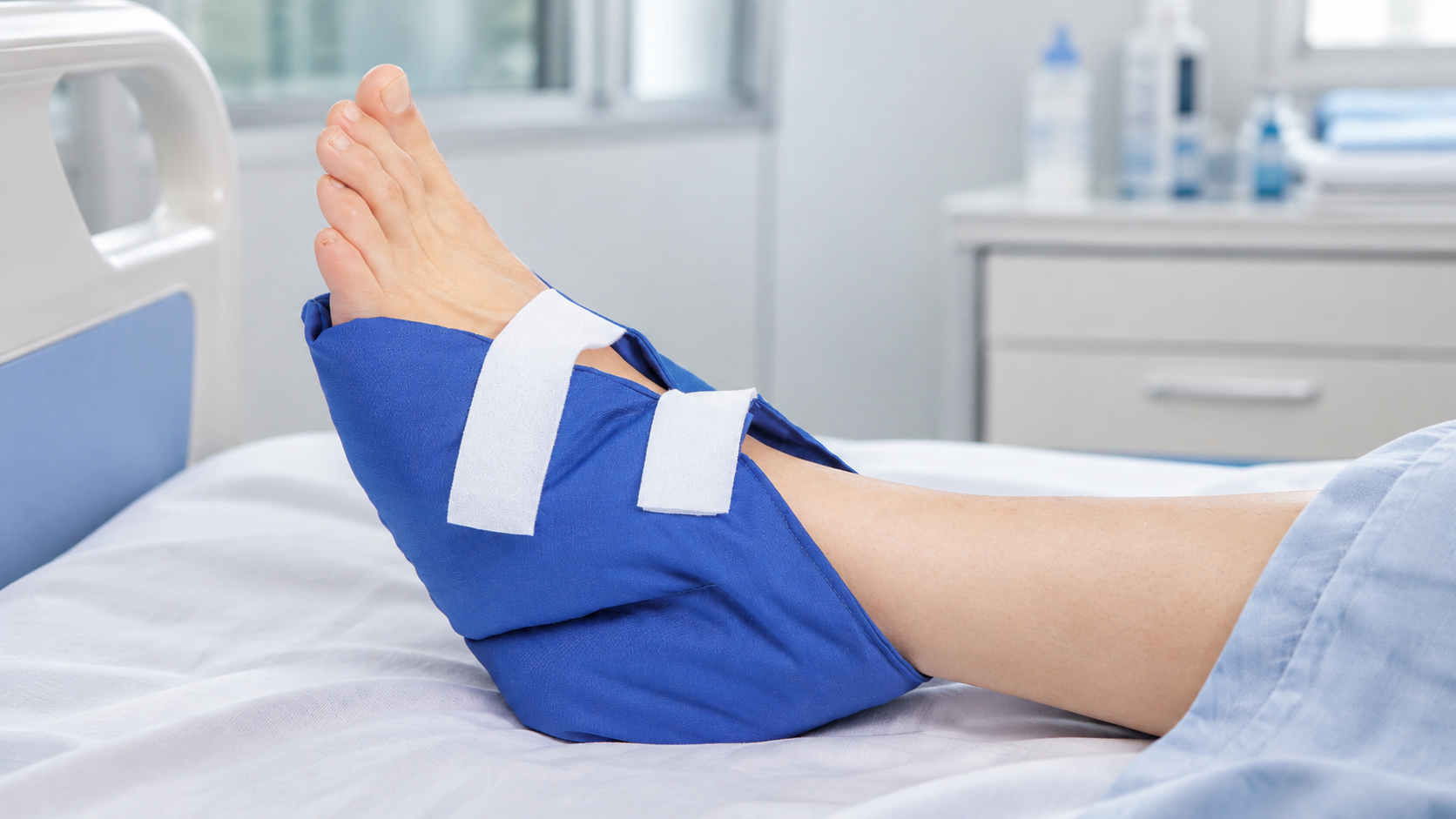
Positioning cushions, anatomically shaped protectors and other support surfaces can complement postural care for patients with limited mobility.
Depending on their design and intended purpose, these products can help to:
- Support positioning: provide support to maintain an appropriate posture.
- Protect vulnerable areas: provide protection and cushioning for specific parts of the body.
- Improve comfort: help patients remain more comfortable during care.
- Adapt support: meet different anatomical and care needs.
The choice of product should take account of the patient’s characteristics, the area requiring protection and the specific indications for each device.Assistive products do not replace risk assessment, skin monitoring or repositioning when indicated.
SALVAPAD®: solutions for patient positioning and protection
At Medicare System, we develop solutions that help healthcare professionals meet patients’ positioning, protection and comfort needs.
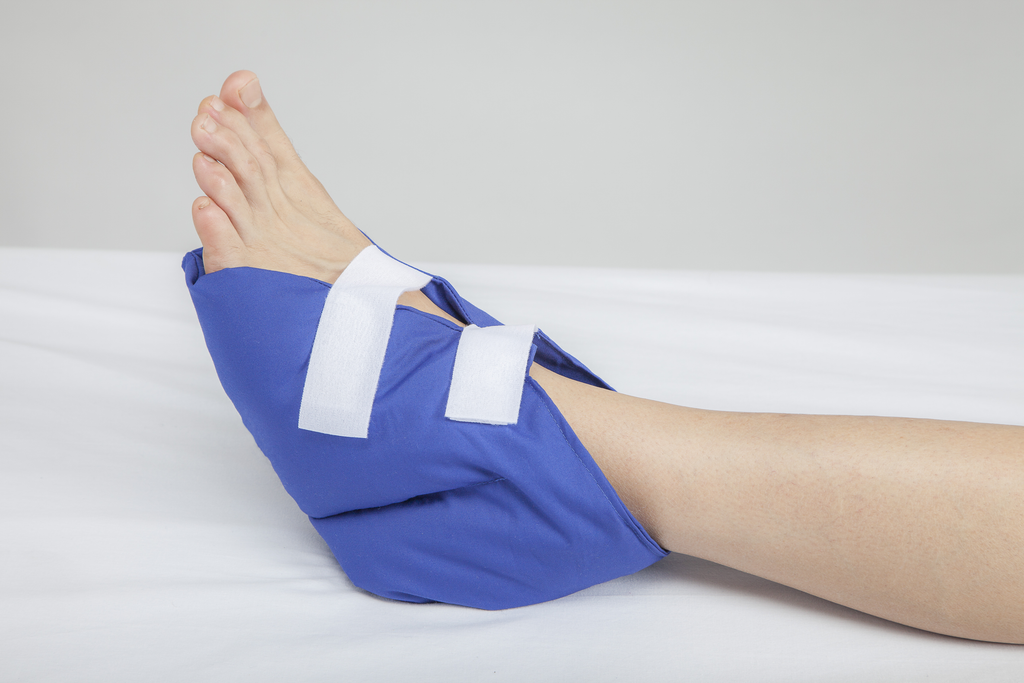
The SALVAPAD® range includes anatomically shaped cushions and protectors intended for the care of people who are bedbound or have reduced mobility.
Products in the range include:
- SALVAPAD® Fibre: cushions in a variety of shapes and anatomically shaped protectors to assist with positioning and provide postural support.
- SALVAPAD® Mouton: cushions and protectors made from soft materials for specific protection and comfort applications.
This variety allows different options to be considered according to the area of the body, support requirements and the technical specifications of each product.
How do you choose the right solution for each patient?
Choosing a positioning product starts with one essential question: what does the patient need, and which area needs protection or support?
It is important to consider the patient’s mobility, the areas exposed to pressure, how long they remain in one position and the characteristics of the care environment. The dimensions, materials, instructions for use and maintenance requirements of each product should also be reviewed.
At Medicare System, we offer a range of SALVAPAD® solutions to meet these needs, giving healthcare professionals and equipment managers access to technical information to help them assess each device.
Looking for positioning and protection solutions for your healthcare facility?
Explore the SALVAPAD® range and review its different models, features and applications to find the assistive products best suited to your care needs.