

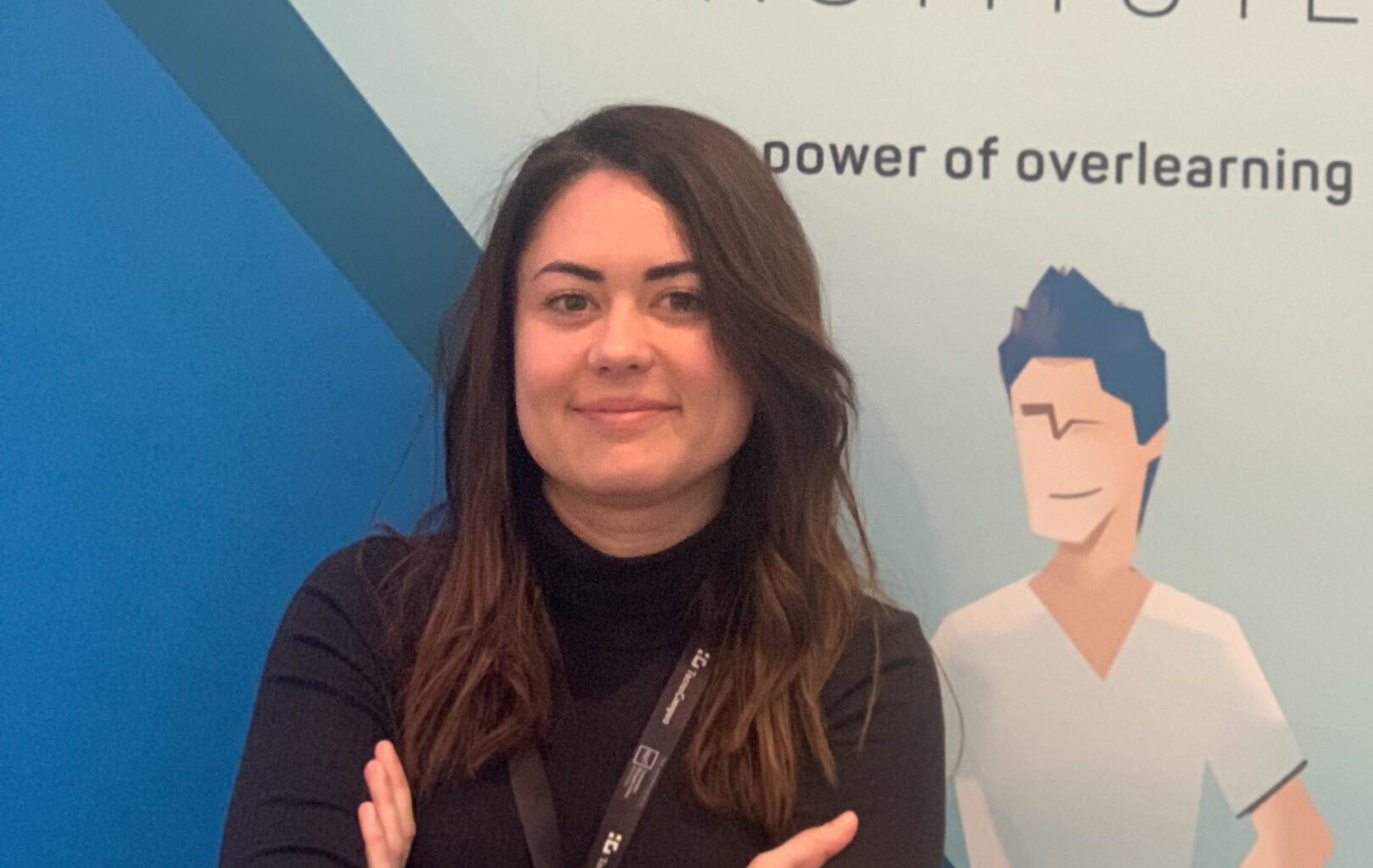
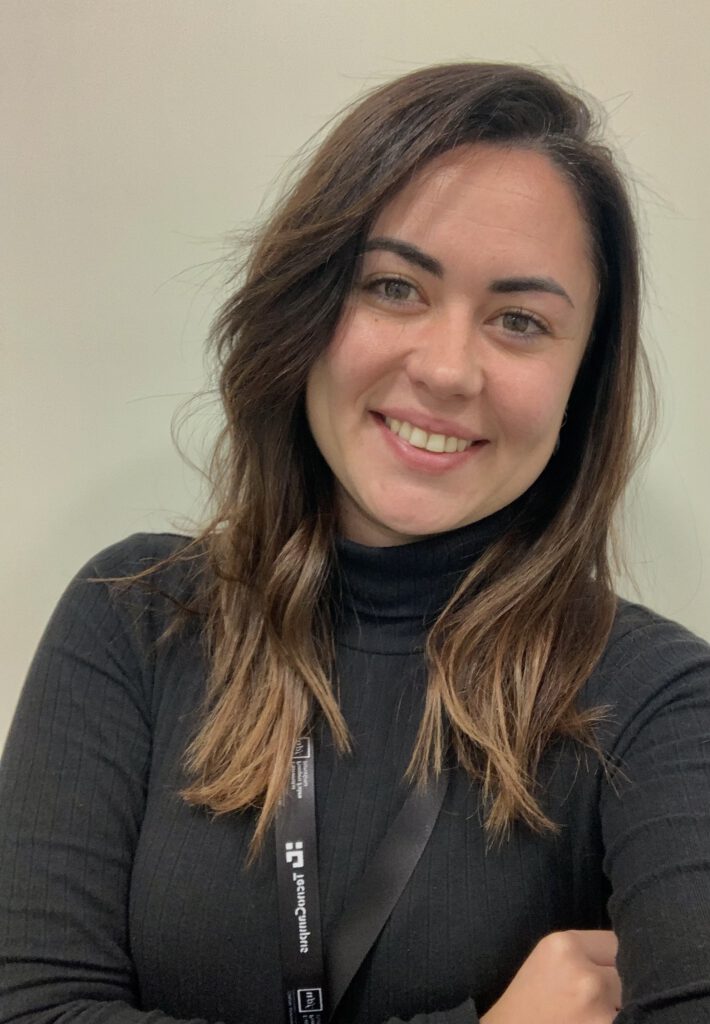
Lara Alamín qualified as an occupational therapist at the University of Salamanca. She specialises in physical rehabilitation and is an expert in occupational ergonomic assessment.
She has worked in a range of healthcare services focused on personal independence and rehabilitation, including the Rehabilitation and Orthopaedics Unit at Freeman Hospital (Newcastle), the Personal Autonomy Service for people with severe physical and psychological disabilities (SEPAP, Mallorca), and the Neurosciences Institute at Hospital Clínic (Barcelona), among others.
She is currently a clinical adviser on medical devices and Training Coordinator at EVO Training Institute.
What are the main responsibilities of an occupational therapist (OT)?
Our main role is to help people become as independent as possible. Assessing needs, designing orthoses and assistive products, and training people to use them are all part of an OT’s day-to-day work. We place particular emphasis on adapting and modifying environments to remove barriers that make it difficult for people to participate in everyday activities.
Society is placing increasing emphasis on improving the lives of people whose physical or psychological conditions restrict their ability to carry out everyday activities. Which occupational therapy services are currently most in demand?
Services are mainly provided in hospital wards, day centres, rehabilitation and recovery units, home assessment services and orthopaedic equipment providers. The main areas include neurosensory therapy, functional rehabilitation, home adaptations and advice on assistive products that help people carry out everyday activities.
Are older people becoming an increasingly important group within occupational therapy?
Absolutely. Occupational therapy for older people is specifically designed to help them maintain their autonomy, independence and quality of life, and to prevent or treat health problems associated with ageing.
Do you think the fast pace of modern life and changes in family and social structures are also affecting demand for occupational therapists?
Yes. Occupational therapists are in high demand as the population ages.
What would you highlight as the most significant scientific advance in your profession in recent years?
Virtual reality and augmented reality are emerging technologies that, from an occupational therapy perspective, are showing considerable potential to improve rehabilitation for patients with neurological diseases and disorders.
How would you describe the current state of the occupational therapy profession?
There are currently too few occupational therapists, particularly in public healthcare services, even though employing more of them could help improve people’s quality of life.
What are the immediate and long-term challenges facing occupational therapy?
One of the main challenges is to understand health as more than simply the absence of illness. In other words, we need to recognise autonomy and meaningful occupation as fundamental to health promotion and disease prevention.